

My Deep Sky Observations with the Dwarf mini (Complete List of Observed DSO)
List of Observed Sky Objects | Remarks | References
Since mid-January 2026, I own an electronic Dwarf mini telescope for observing and taking photos of deep sky objects. On this page, I collect all the sky objects that I visited with the Dwarf mini (more than 85 different sky objects).
Note: See also
- My Visual Deep Sky Observations (Complete List of Visually Observed DSO)
- My Visual Deep Sky Observations with my Electronic Telescopes (Complete List of Observed DSO)
- My Deep Sky Observations with the eVscope (Complete List of Observed DSO) Archive
- My Deep Sky Observations with the eVscope 2 (Complete List of Observed DSO) Archive
- My Deep Sky Observations with the Vespera (Complete List of Observed DSO) Archive
- My Deep Sky Observations with the Vespera Pro (Complete List of Observed DSO)
- My Deep Sky Observations with the Dwarf mini (Complete List of Observed DSO)
- My Deep Sky Observations with the Atik Infinity (Complete List of Observed DSO) Archive
- My Deep Sky Observations with the ZWO ASI224 (Complete List of Observed DSO) Archive
The linked object numbers lead to the detail pages for the respective objects; these typically contain at least one photo from each observation sesssion as well as further information about the object.
List of Observed Sky Objects
Object details can be obtained using the links to the relevant deep sky objects. Smaller deep sky objects that are also included in photos are usually not listed on their own.
|
DSO Details
|
Name | Constellation | Type | Photo | Remarks |
| B 33 | Horse Head Nebula | Orion | GN/DN | 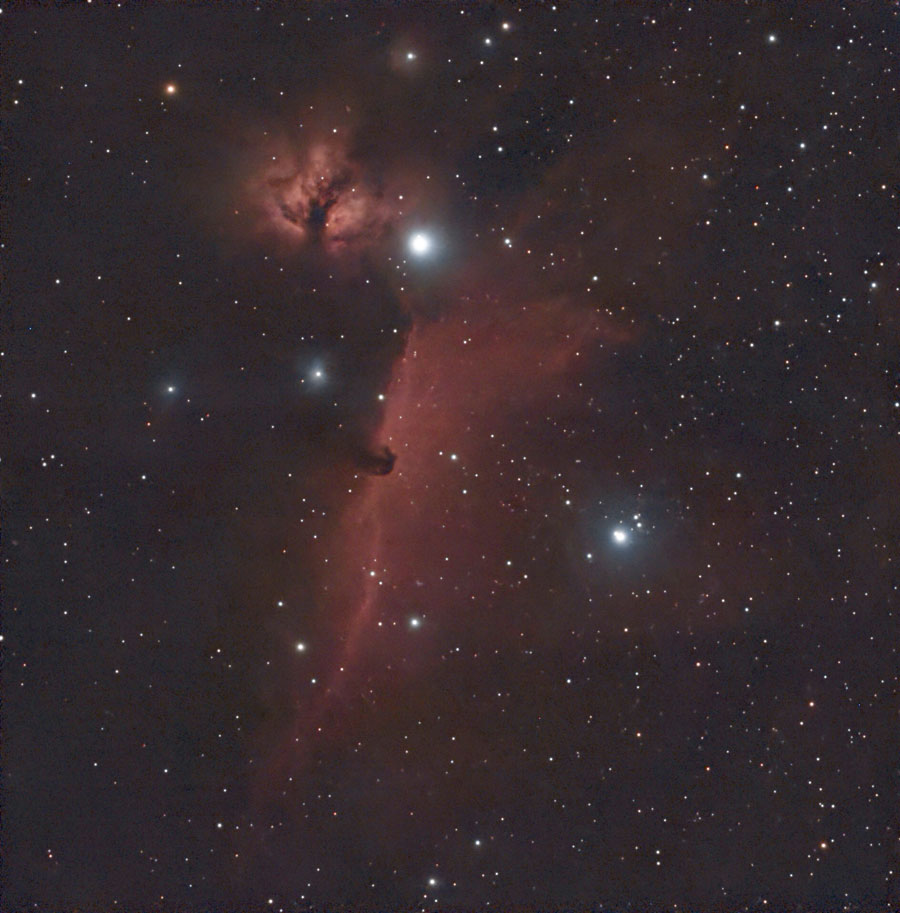 |
Together with NGC 2024; plus NGC 2023 close to B 33 |
| Cr 399 | Coat Hanger | Vulpecula | SP | 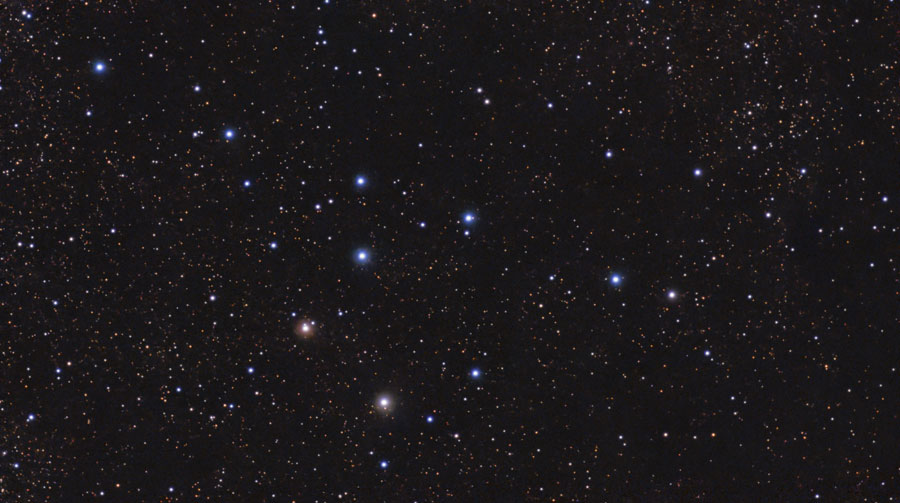 |
In binoculars better to see than in a telescope; the Dwarf mini shows it completely |
| IC 405 | Flaming Star Nebula | Auriga | GN | 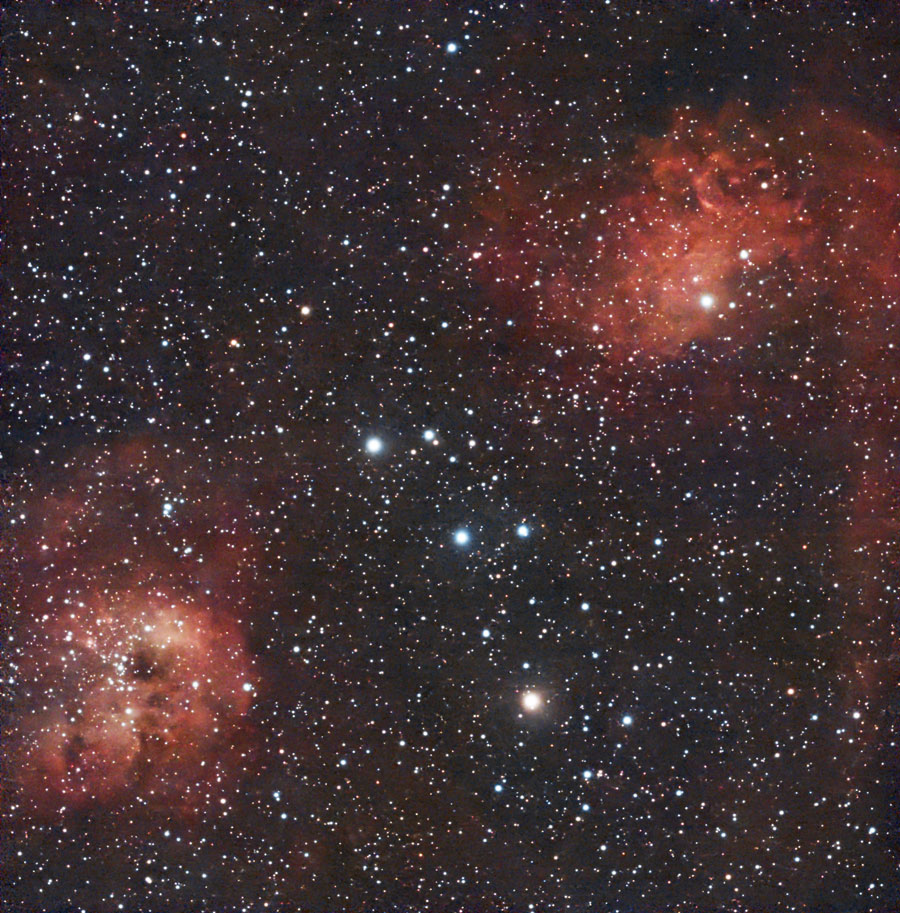 |
Reddish nebula; with DB filter; together with IC 410 |
| IC 410 | Tadpole Nebula | Auriga | GN | Reddish nebula; with DB filter; together with IC 405 | |
| IC 435 | Orion | GR | |
To the left of NGC 2023 and below NGC 2024 | |
| IC 447 | Dreyer's Nebula | Monoceros | GN | 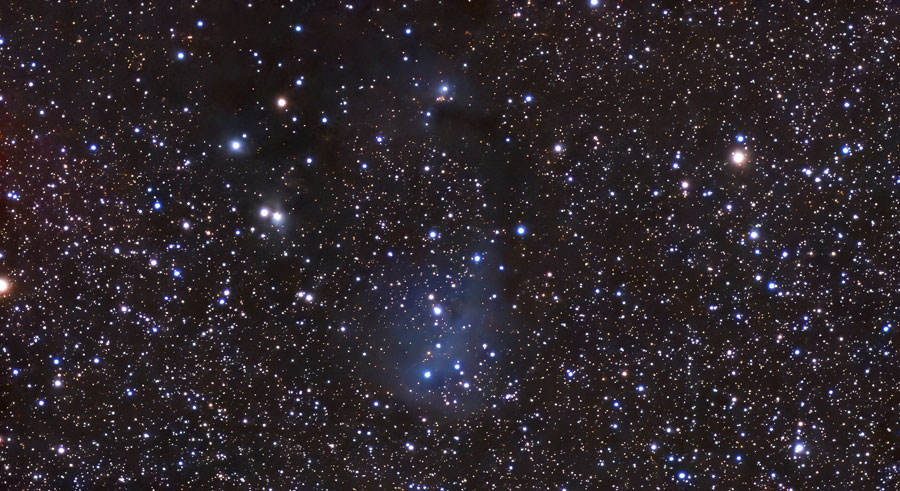 |
Reflection nebula not far from the Christmas Tree Cluster/Cone Nebula NGC 2264 |
| IC 1396 | Elephant Trunk | Cepheus | GE | 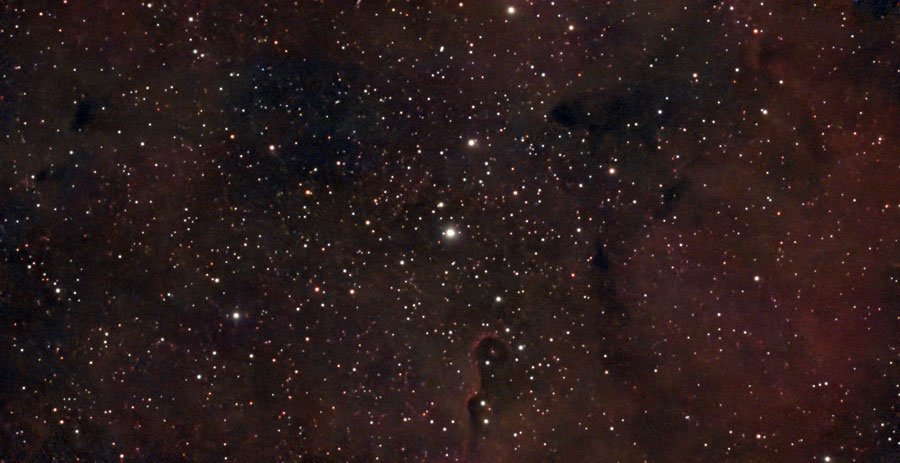 |
Dark nebula; poor section |
| IC 2169 | Inside IC 447 | Monoceros | DN | |
Dark nebula in Dreyer's Nebula IC 447 |
| IC 2177 | Sea Gull Nebula | Monoceros | GNE | 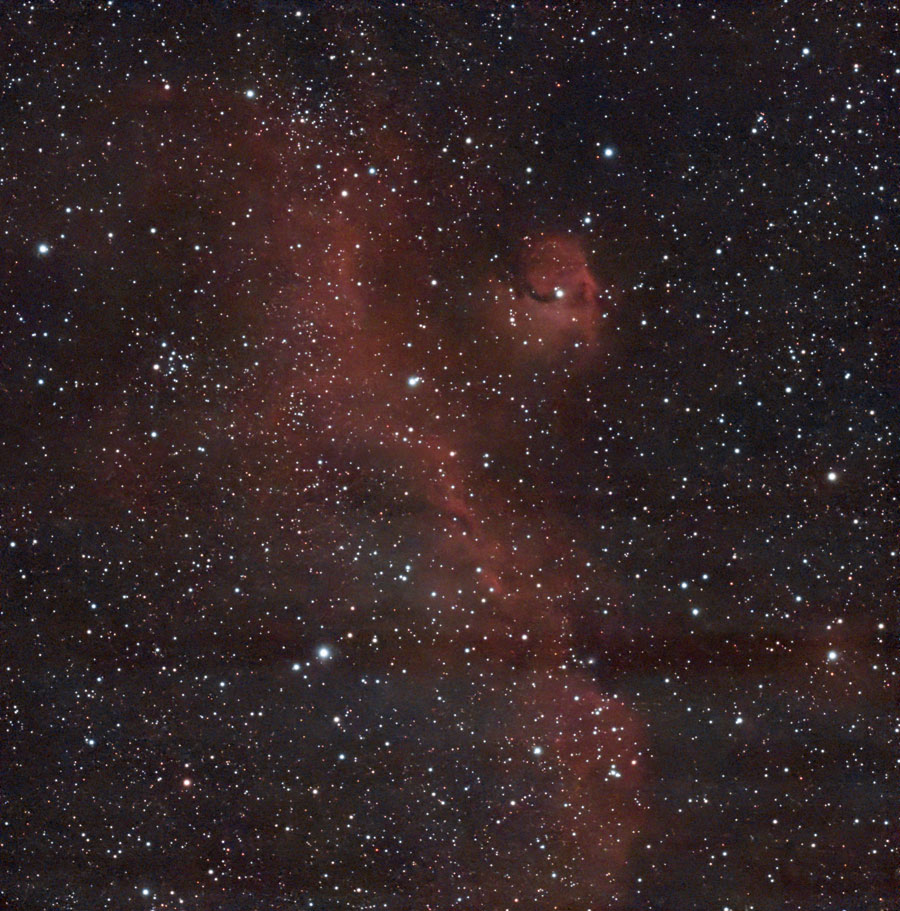 |
Red emission nebula, extended, the "wings" do not fit |
| IC 5070 | Pelican Nebula, with NGC 7000 | Cygnus | GNE | 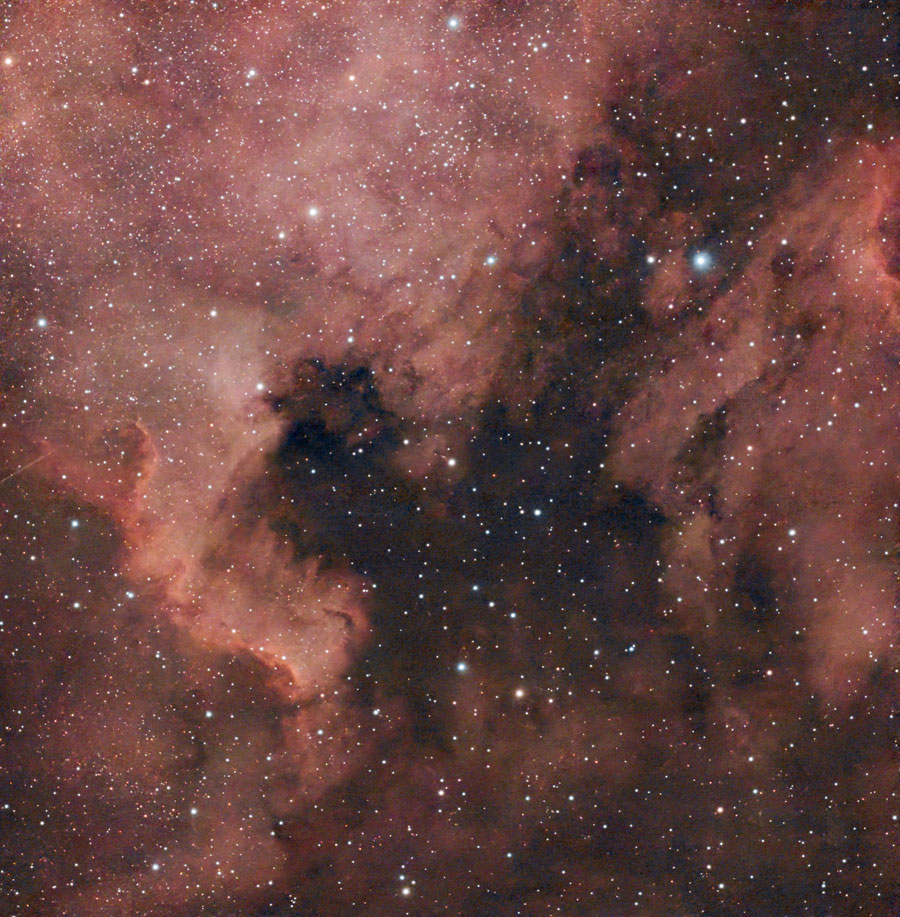 |
Large reddish nebula; together with NGC 7000 (partly) |
| M 1 | Crab Nebula | Taurus | GE/SR | 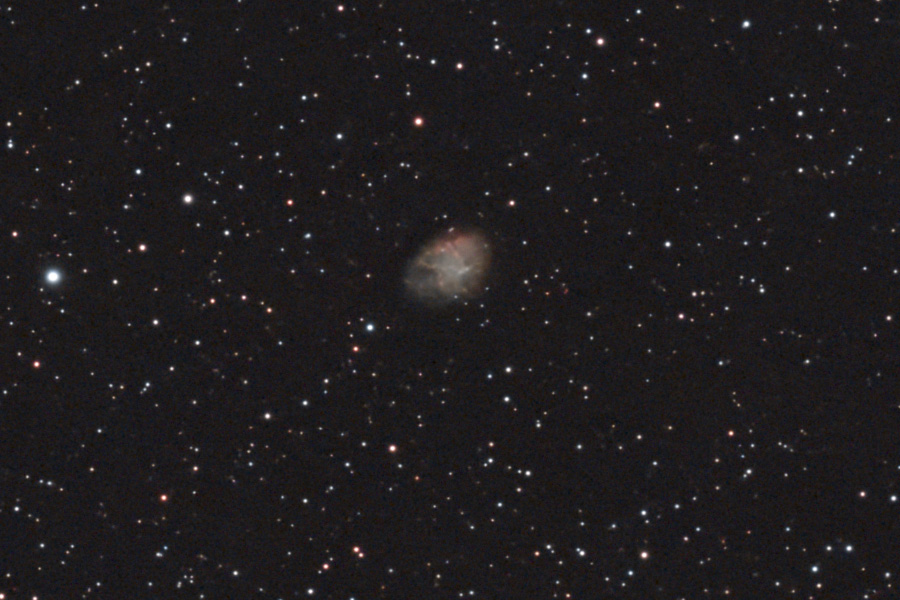 |
Small, but nice; supernova remnant |
| M 11 | Wild Duck Cluster | Scutum | OC | 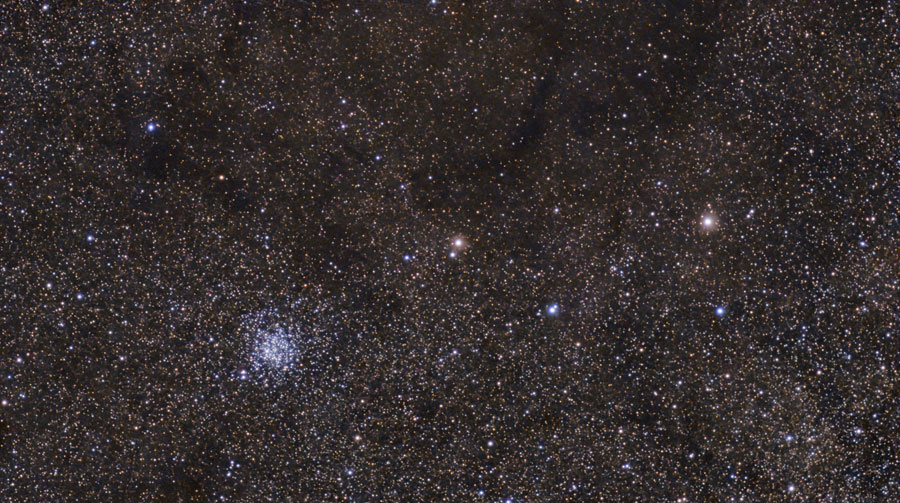 |
Is located in the Scutum cloud, a special section of the Milky Way; therefore, the photos are full of stars. |
| M 13 | with NGC 6207 | Hercules | GC | 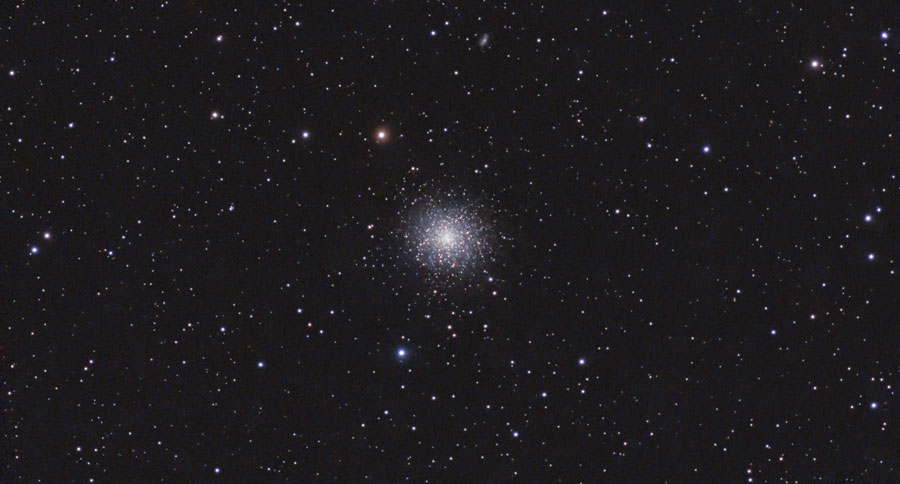 |
Nice globular cluster, belongs to the largest ones; larger than M 5 and M 92; with spiral galaxy NGC 6207 |
| M 15 | Pegasus | GC | 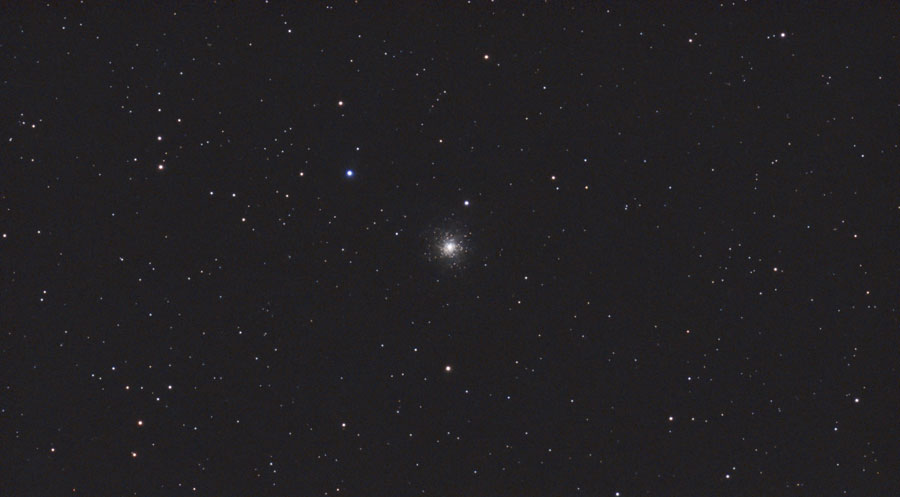 |
Supposedly, it is the best globular cluster in autumn, bright core; small with the Dwarf mini | |
| M 27 | Dumbbell Nebula | Vulpecula | PN | 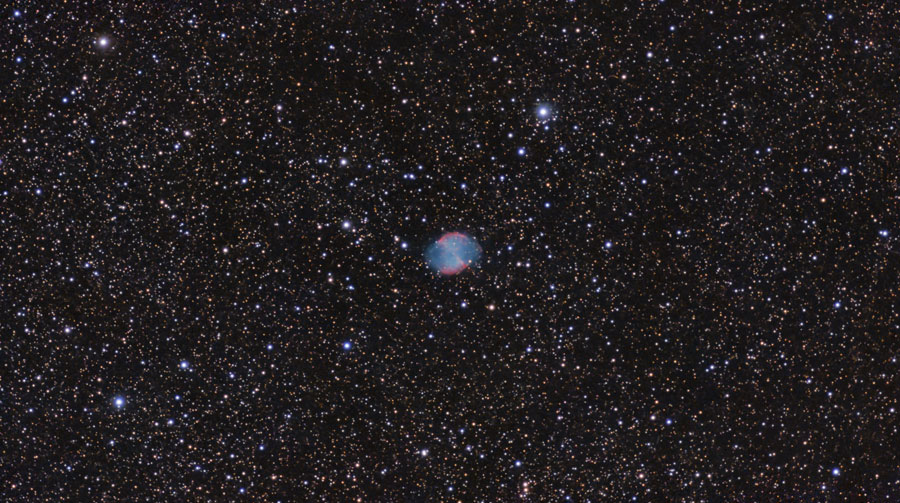 |
For me one of the most beautiful planetary nebulae |
| M 31 | Andromeda Galaxy | Andromeda | G | 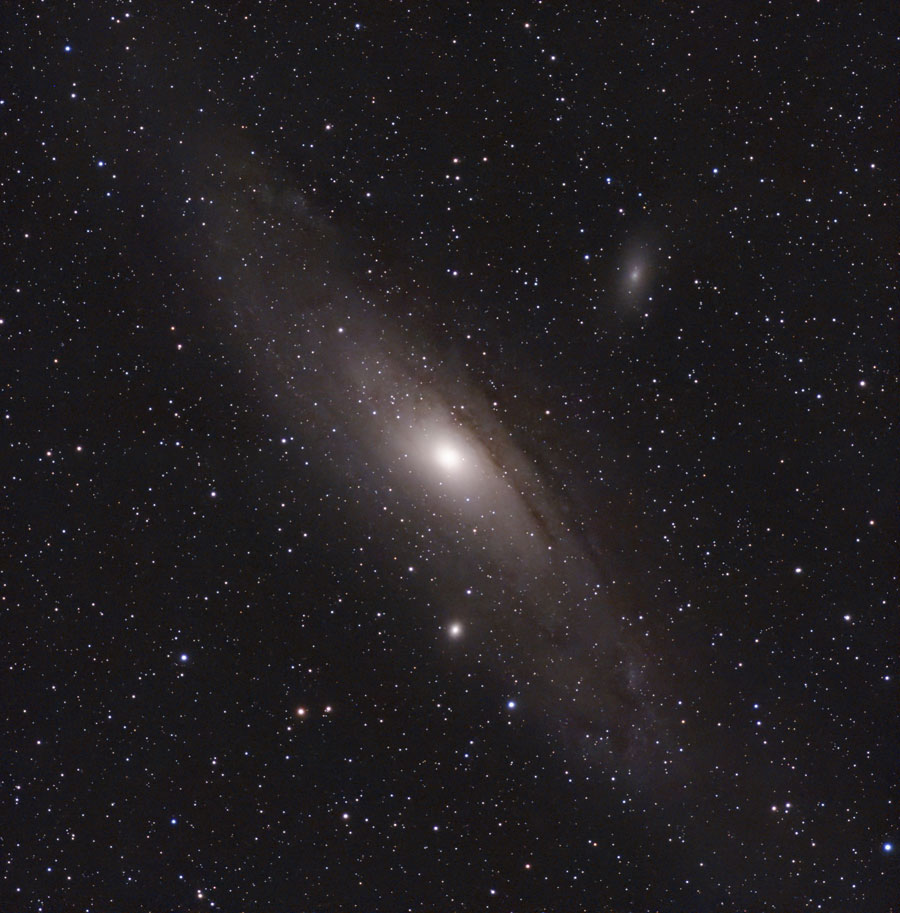 |
Together with M 32 and M 110; too large for the FOV of the Dwarf mini (in this orientation); fits as a mosaic |
| M 32 | Together with M 31 and M 110 | Andromeda | G | Together with M 31 and M 110 | |
| M 33 | Triangulum Galaxy | Triangulum | G | 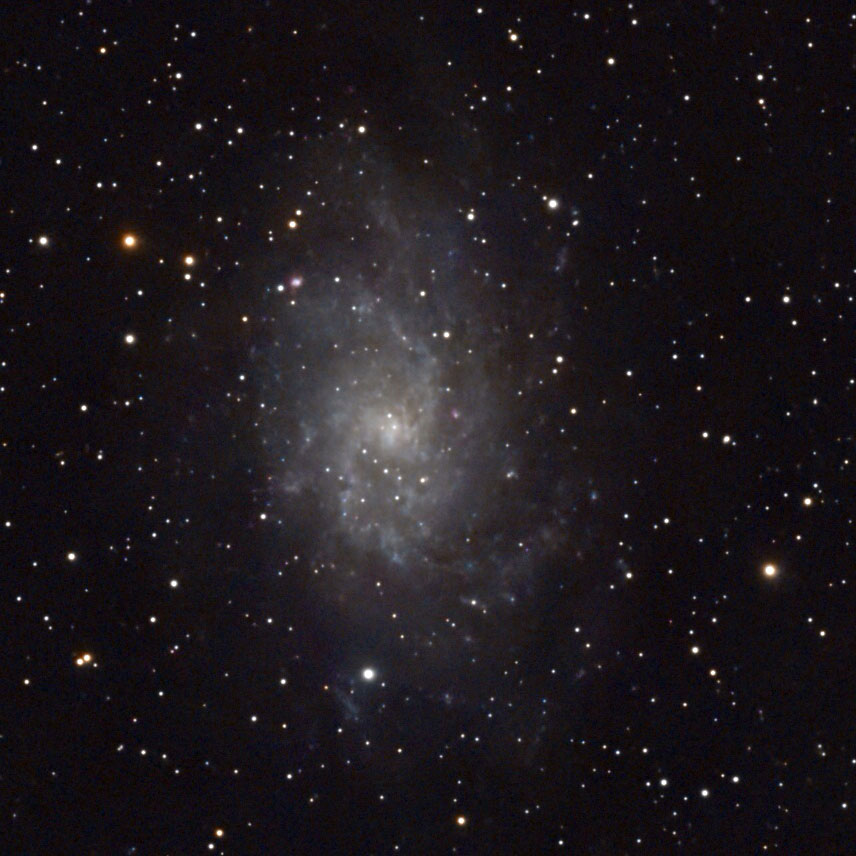 |
Quite impressive |
| M 34 | Perseus | OC | 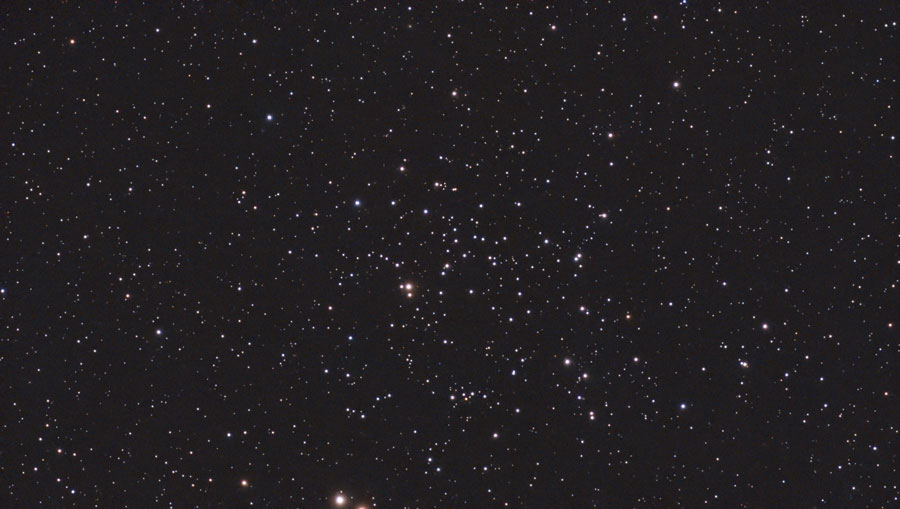 |
Large and nice open star cluster, reminds me of M 41 | |
| M 35 | Gemini | OC | 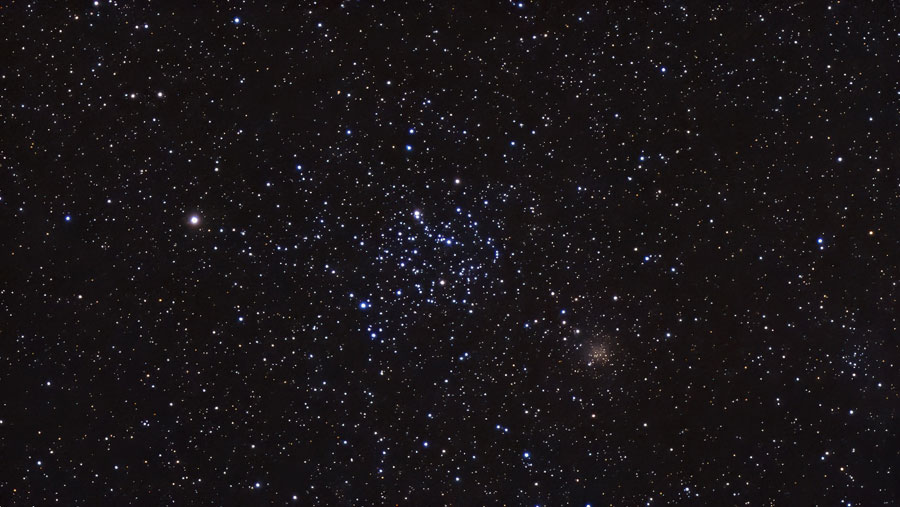 |
Nice open star cluster, together with NGC 2158 | |
| M 36 | Auriga | OC | 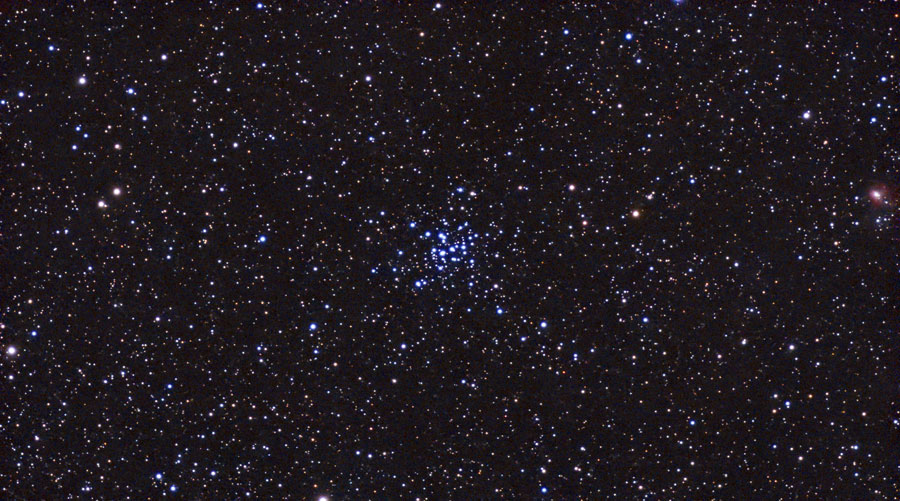 |
Nice open star cluster, the smallest of M 36-38 | |
| M 37 | Auriga | OC | 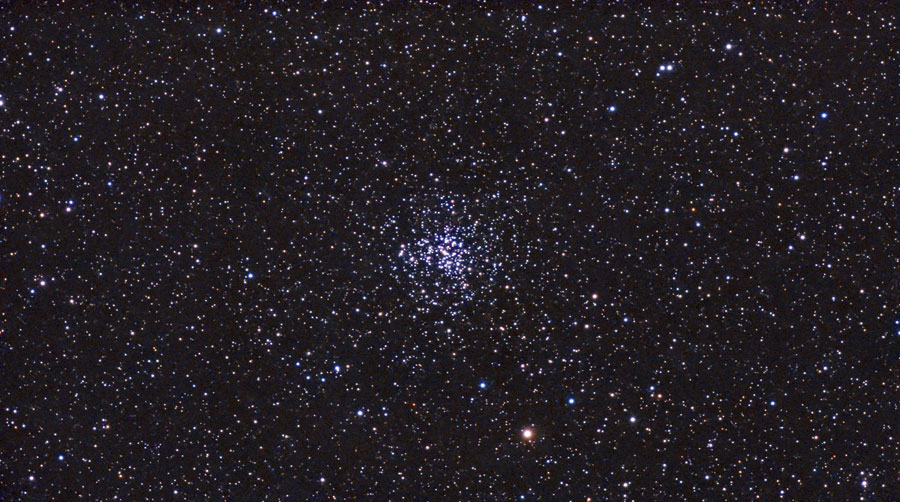 |
Nice open star cluster, the densest of M 36-38; NGC 1907 is nearby | |
| M 38 | with NGC 1907 | Auriga | OC | 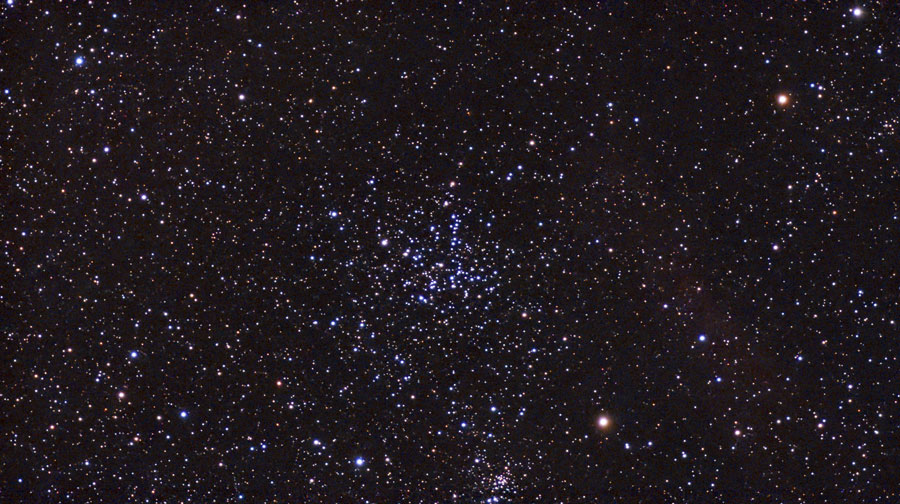 |
Nice open star cluster, the largest of M 36-38; with M 36 in a mosaic |
| M 42 | Orion Nebula | Orion | GN | 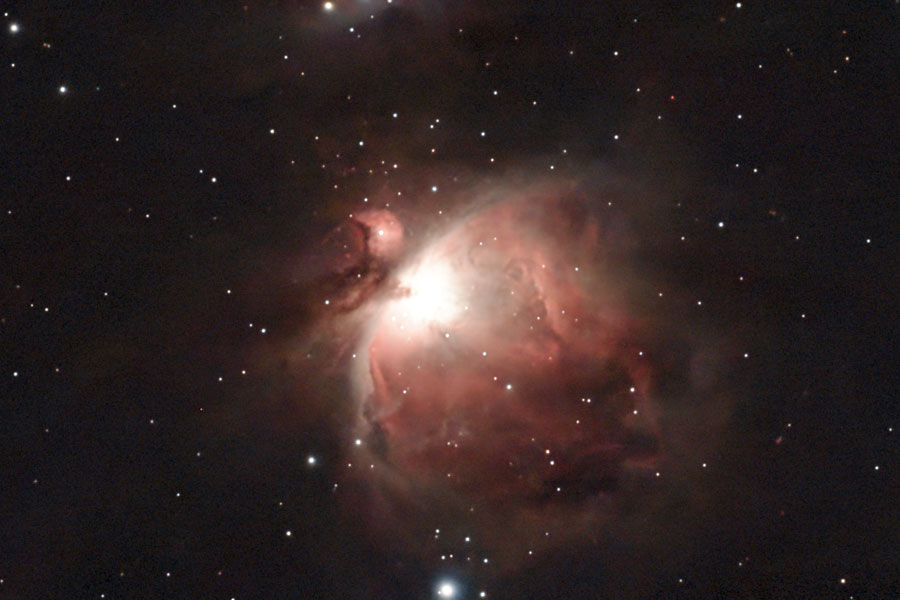 |
Nebula partly captured with clouds and also as a mosaic with more DSO (NGC 1977, 1980, and 1981); with and without DuoBand filter |
| M 43 | De Mairan's Nebula | GN | |||
| M 44 | Praesepe, Beehive | Cancer | OC | 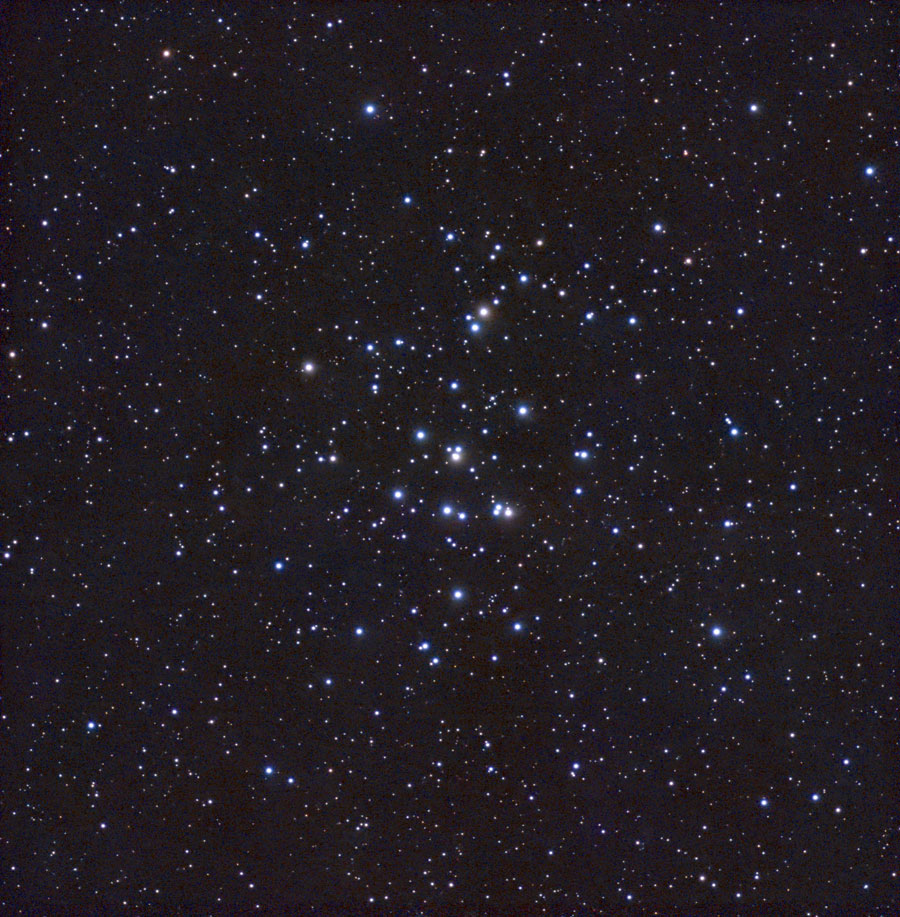 |
Very large |
| M 45 | Pleiades, Seven Sisters | Taurus | OC | 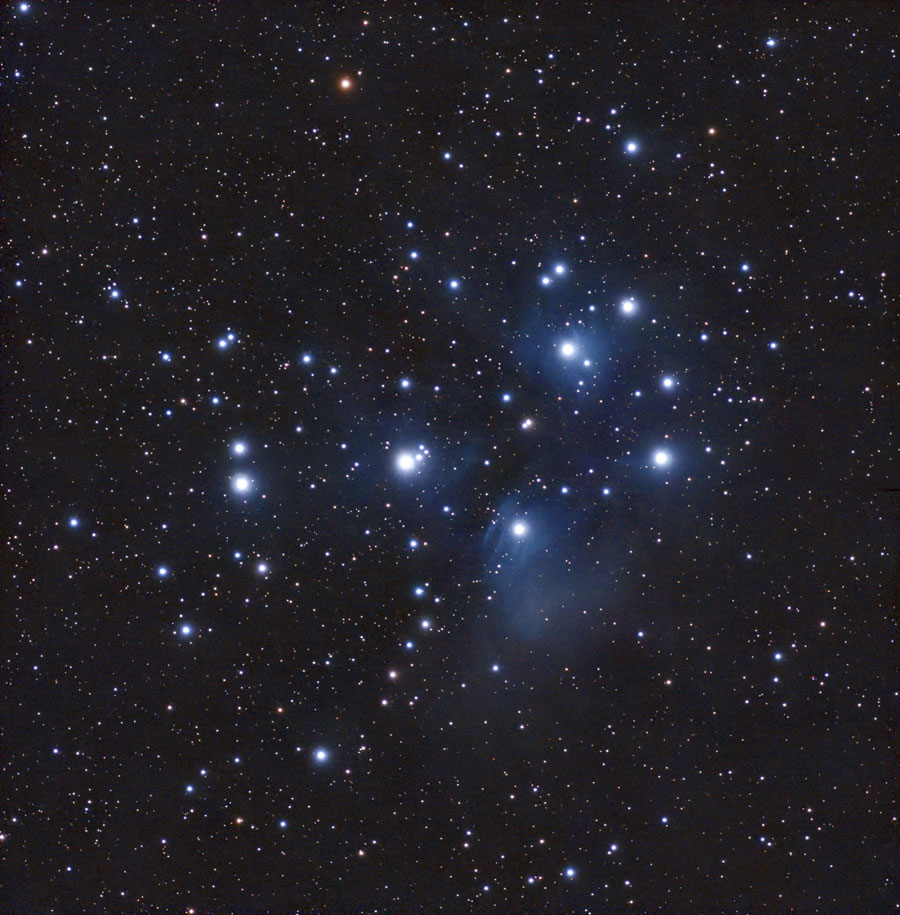 |
Somewhat large, but fits a mosaic; nebulae in M 45 recognizable (NGC 1432, NGC 1435, and more |
| M 46 | with NGC 2438 (PN) | Puppis | OC | 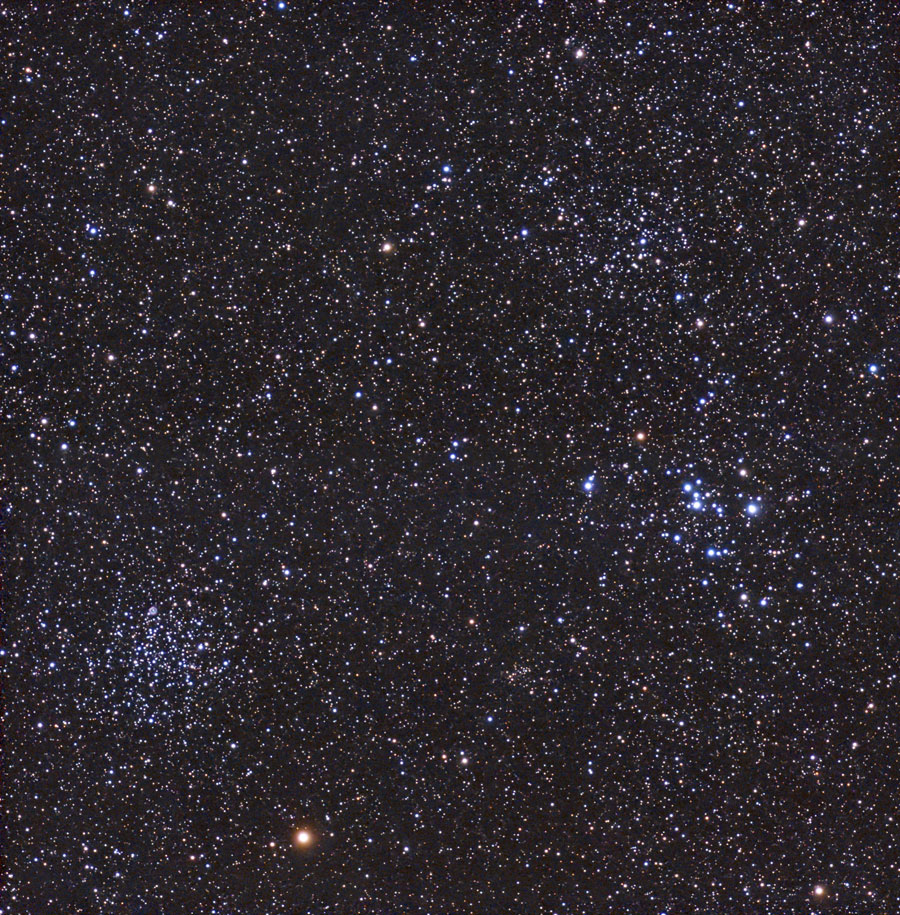 |
Large; NGC 2438 (PN) on the photo! M 46 and M 47 in the same FoV (mosaic) with NGC 2423 and NGC 2425 |
| M 47 | Puppis | OC | Large, contains some large bright stars; M 47 and M 46 in the same FoV (mosaic) with NGC 2423 and NGC 2425 | ||
| M 51 | with NGC 5195 | Canes Venatici | G | 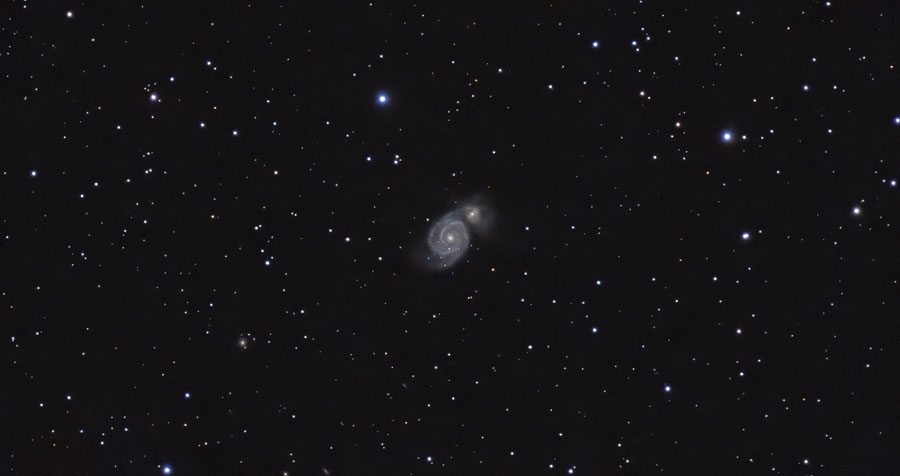 |
Nice spiral galaxy with connected satellite galaxy NGC 5195 and some more small galaxies |
| M 56 | Lyra | GC | 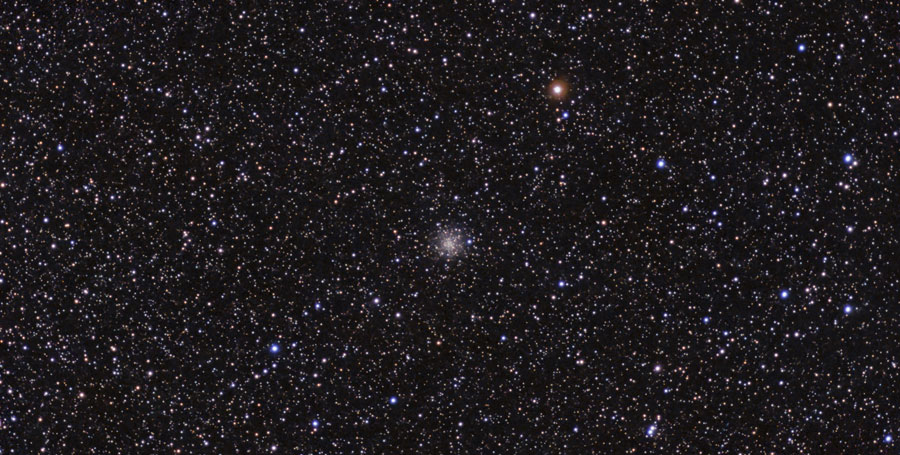 |
One of the smaller globular star clusters | |
| M 58 | with NGC 4567/68; alternatively with M 59 and M 60 | Virgo | G | 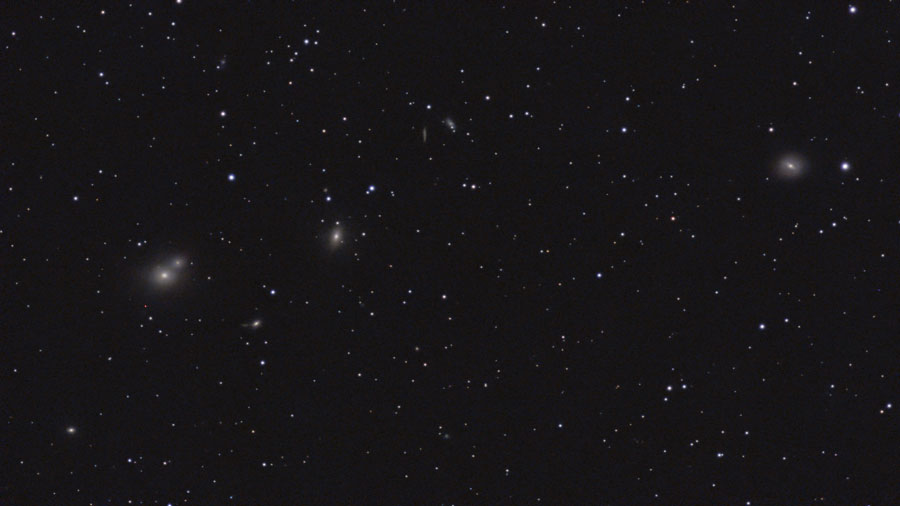 |
Barred spiral galaxy, together with the spiral galaxies NGC 4567/68 (Butterfly Galaxies) |
| M 59 | with M 58 and M 60 | Virgo | G | |
Elliptical galaxy; can be seen together with M 60 and M 58 |
| M 60 | with M 58 and M 59 | Virgo | G | |
Elliptical galaxy with satellite NGC 4647 (spiral galaxy); both form the galaxy pair Arp 116; M 60 can be photographed together with M 59 and M 58. |
| M 65 | with M 66 and NGC 3628 | Leo | G | 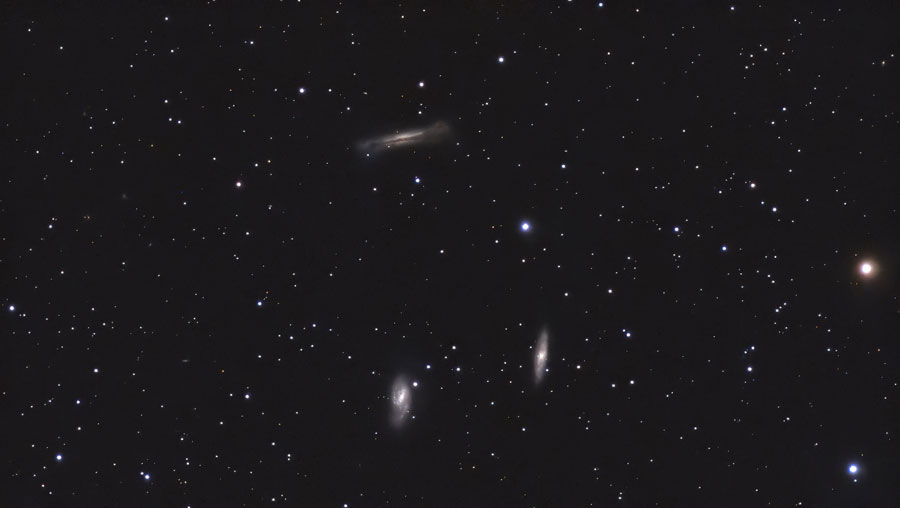 |
Thin, elongated spiral galaxy, spiral hard to see; part of the Leo triplet (with M 66 and NGC 3628); with Dwarf mini the whole triplet can be observed. |
| M 66 | with M 65 and NGC 3628 | Leo | G | |
Elongated spiral galaxy, spiral visible; part of the Leo triplet (with M 65 and NGC 3628); with the Dwarf mini the whole triplet can be observed. |
| M 67 | Cancer | OC | 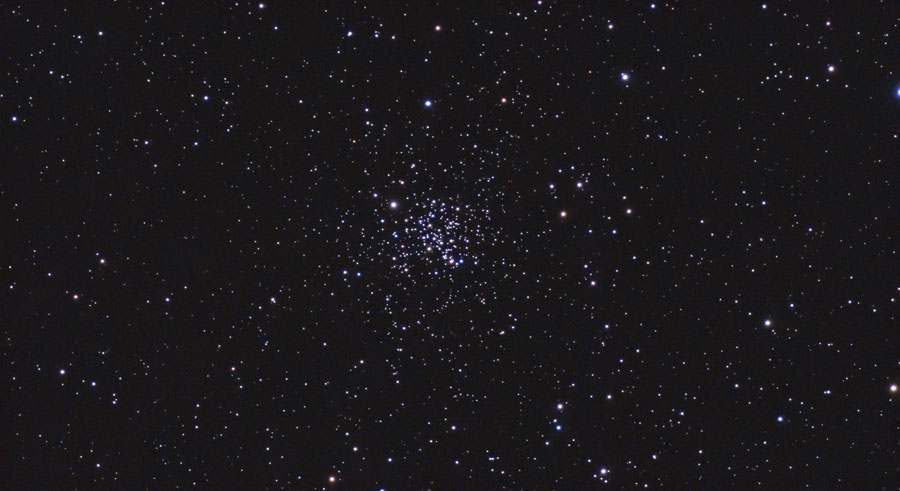 |
Large, nice cluster with a few bright stars and many not so bright ones | |
| M 71 | Sagitta | GC | 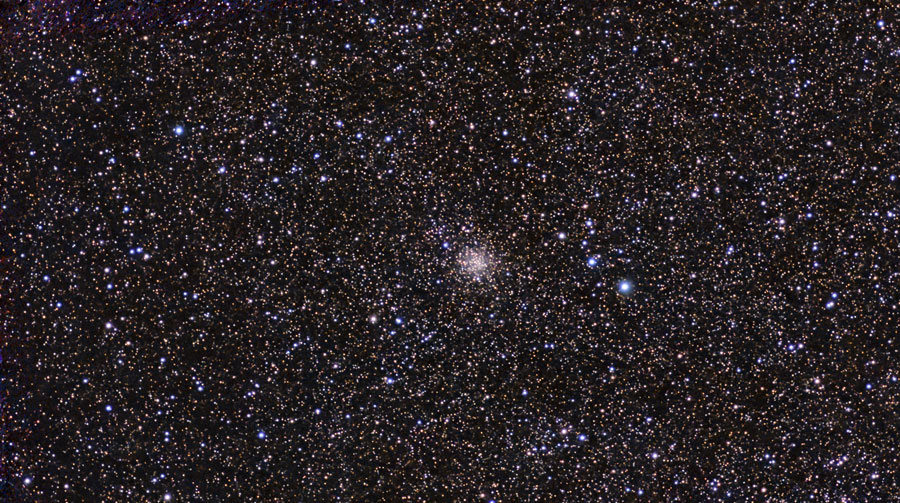 |
Very loose globular star cluster | |
| M 78 | with NGC 2071 | Orion | GE | 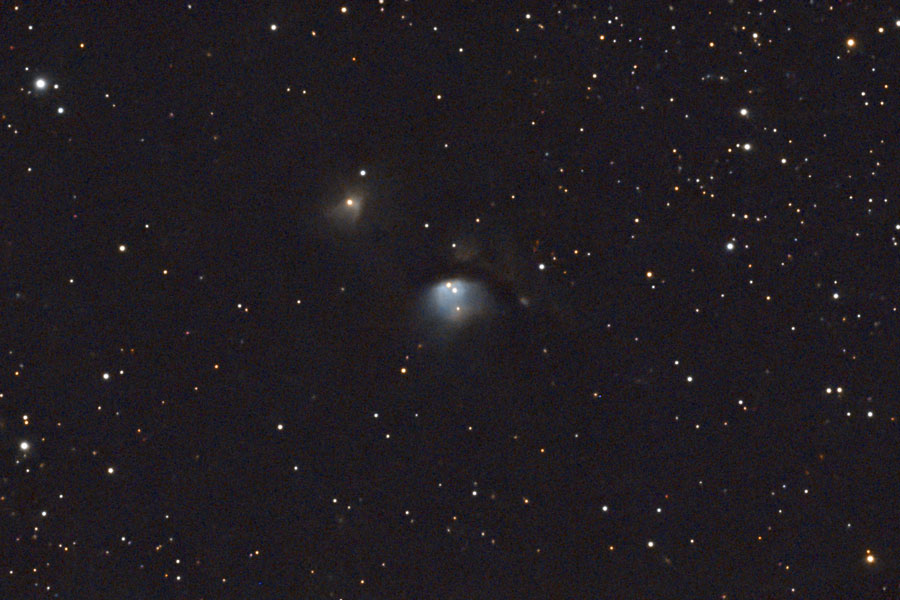 |
Nice to see, together with NGC 2071 (also with a section of Sh2-276) |
| M 81 | with M 82 and NGC 3077 | Ursa Major | G | 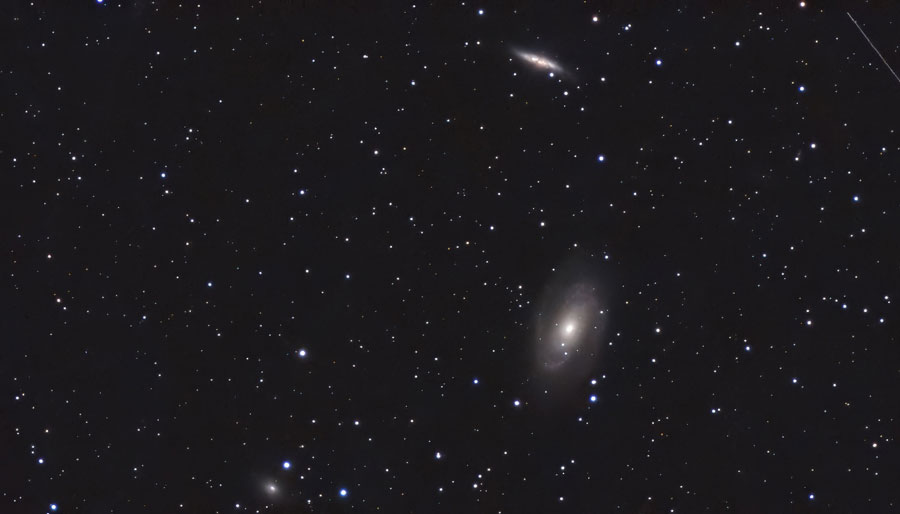 |
Nice spiral galaxy; the spiral is not very conspicuous in the eVs; can be seen together with NGC 3077 and M 82 in the Dwarf mini.. |
| M 82 | with M 81 and NGC 3077 | Ursa Major | G | |
Elongated irregular galaxy (cigar), disturbed by an encounter with M 81; can be seen together with M 81 and NGC 3077 in the Dwarf mini. |
| M 84 | Great Galactic Face, Markarian's Chain | Virgo |
G | 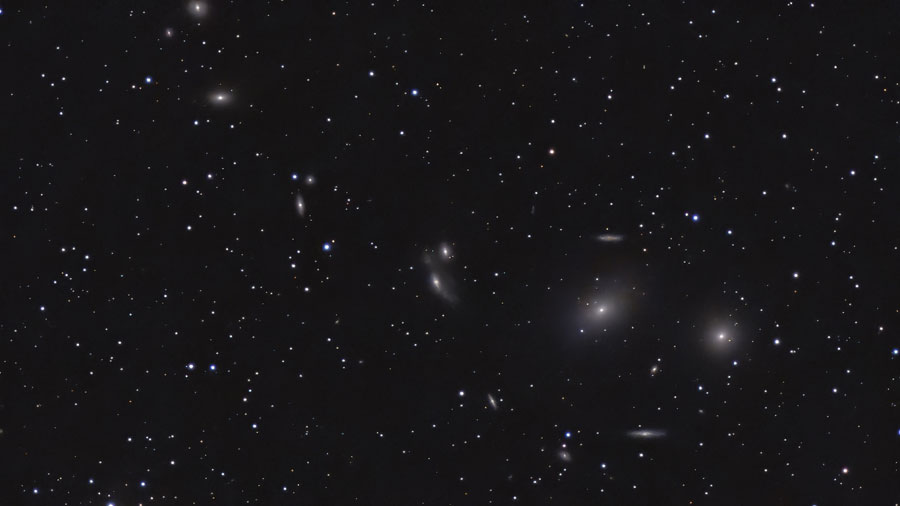 |
Elliptical galaxy that can be seen together with M 86 (+ NGC 4387 and NGC 4402); forms together with M 86 and NGC 4387 the "Great Galactic Face". Accessed via NGC 4435. Many more galaxies on the photo. |
| M 86 | Great Galactic Face, Markarian's Chain | Virgo | G | |
Elliptische Galaxie, die zusammen mit M 84 gesehen werden kann (+ NGC 4387 und NGC 4402); bildet mit M 84 und NGC 4387 das "große galaktische Gesicht". Accessed via NGC 4435. Many more galaxies on the photo. |
| M 92 | Hercules | GC | 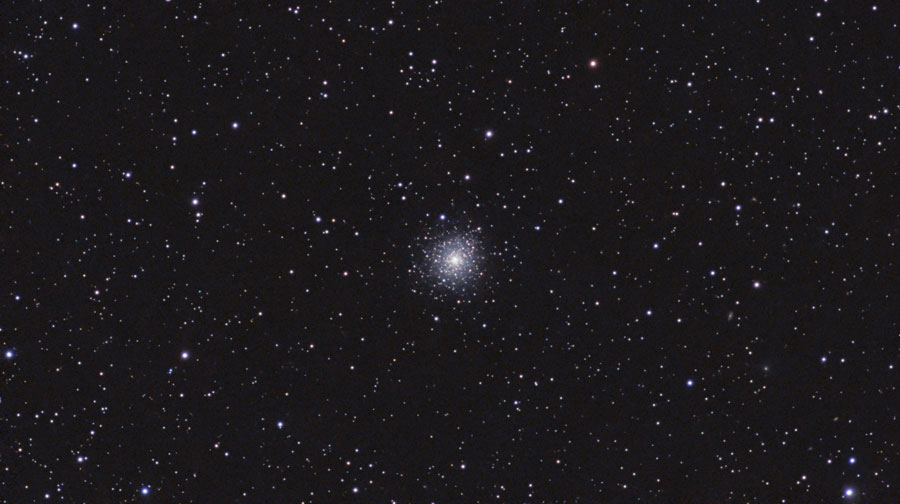 |
Nice globular star cluster with a compact core | |
| M 95 | with M 96 and M 105 | Leo | G | 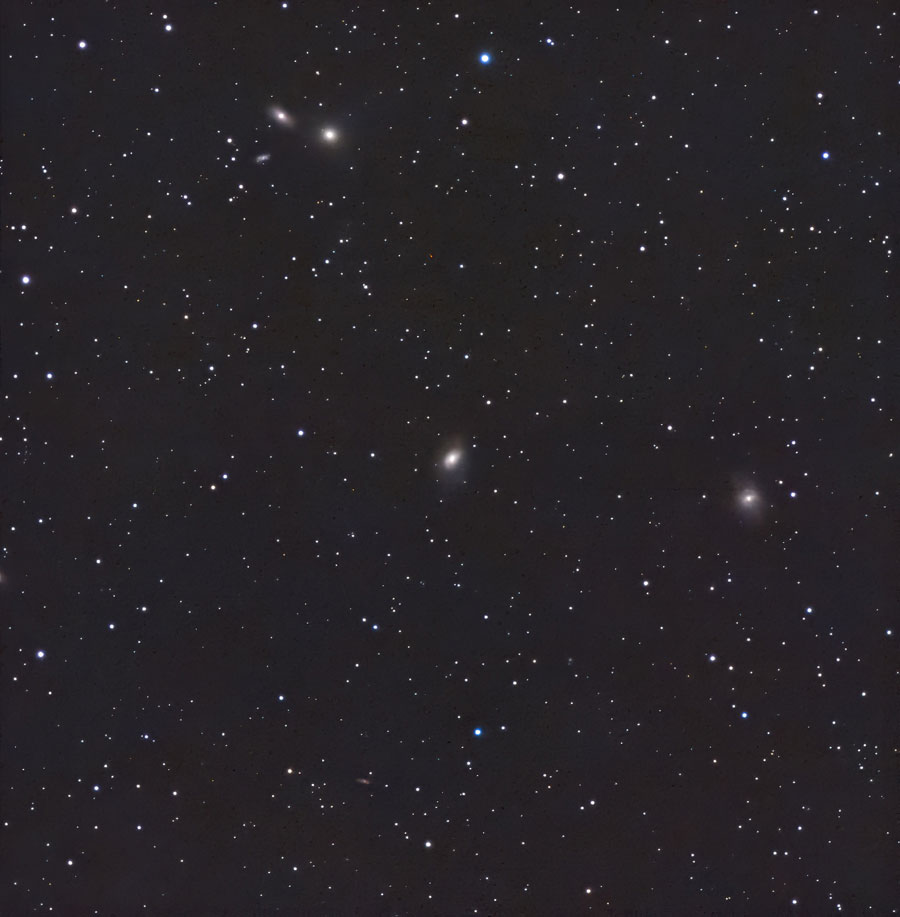 |
Small barred spiral galaxy, relatively faint, but the bar is visible. Forms a pair with M 96. M 96 and M 105 can be included in a Dwarf mini mosaic. |
| M 96 | with M 95 and M 105 | Leo | G | Spiral galaxy, forms a pair with M 95. M 95 and M 105 can be included in a Dwarf mini mosaic. | |
| M 101 | Pinwheel Galaxy | Coma Berenices | G | 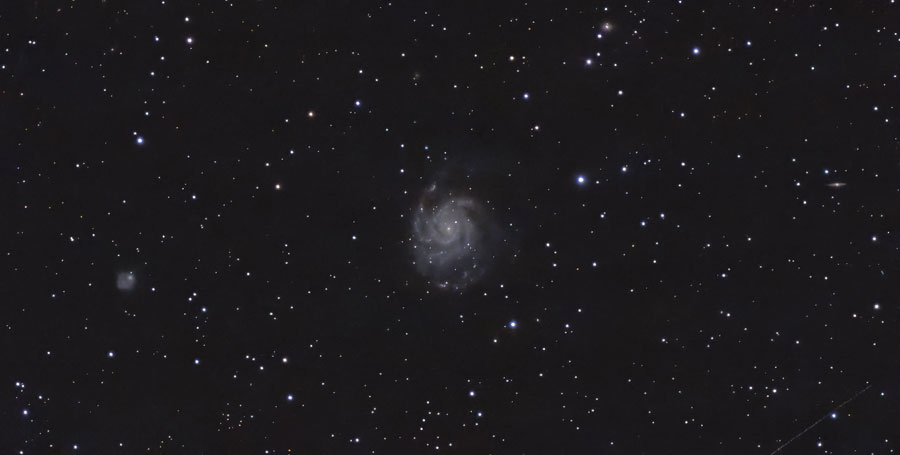 |
Faint; with small galaxies |
| M 105 | with NGC 3384/89 as well as M 95 and M 96 | Leo | G | |
Bright elliptical galaxy; close to the galaxies NGC 3384 (elliptical) and the smaller NGC 3389 (spiral). In a Dwarf mosaic mini also together with M 95 and M 96 |
| M 110 | Satellite of M 31 | Andromeda | G | |
Satellite of the Andromeda Galaxy M 31, together with M 31 and M 32 |
| NGC 752 | Andromeda | OC | 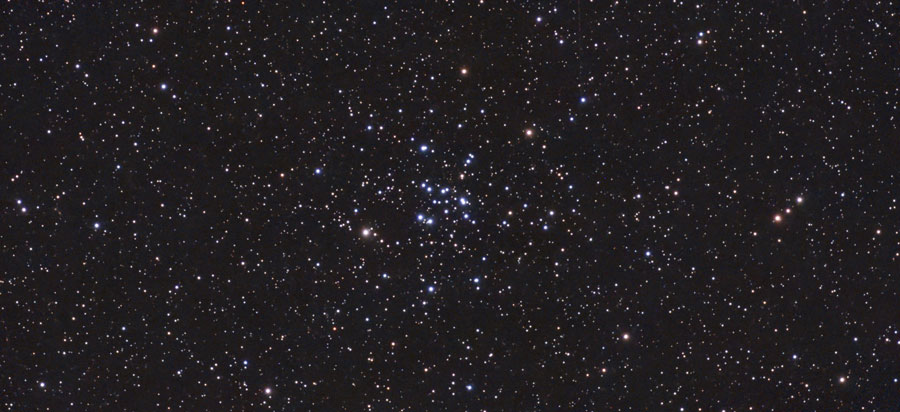 |
Large, loose open star cluster | |
| NGC 891 | Andromeda | G | 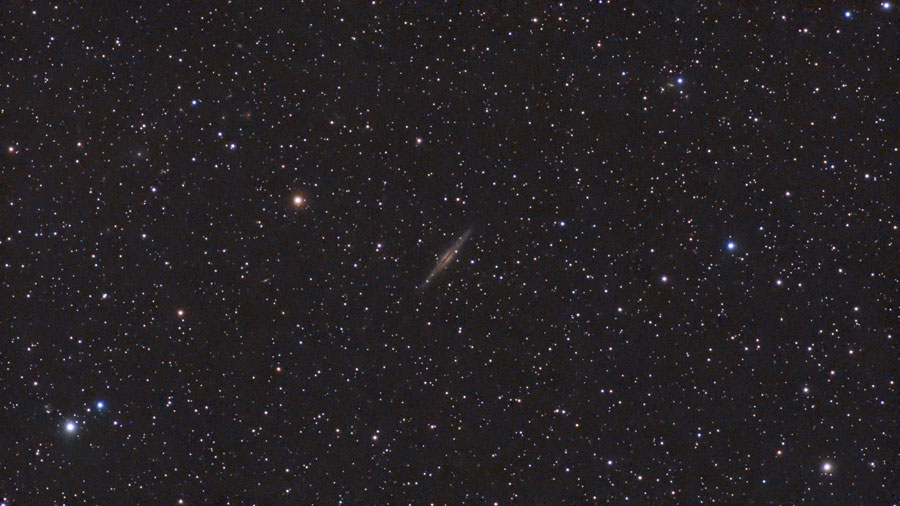 |
Seen from the edge | |
| NGC 1499 | California Nebula | Perseus | GN | 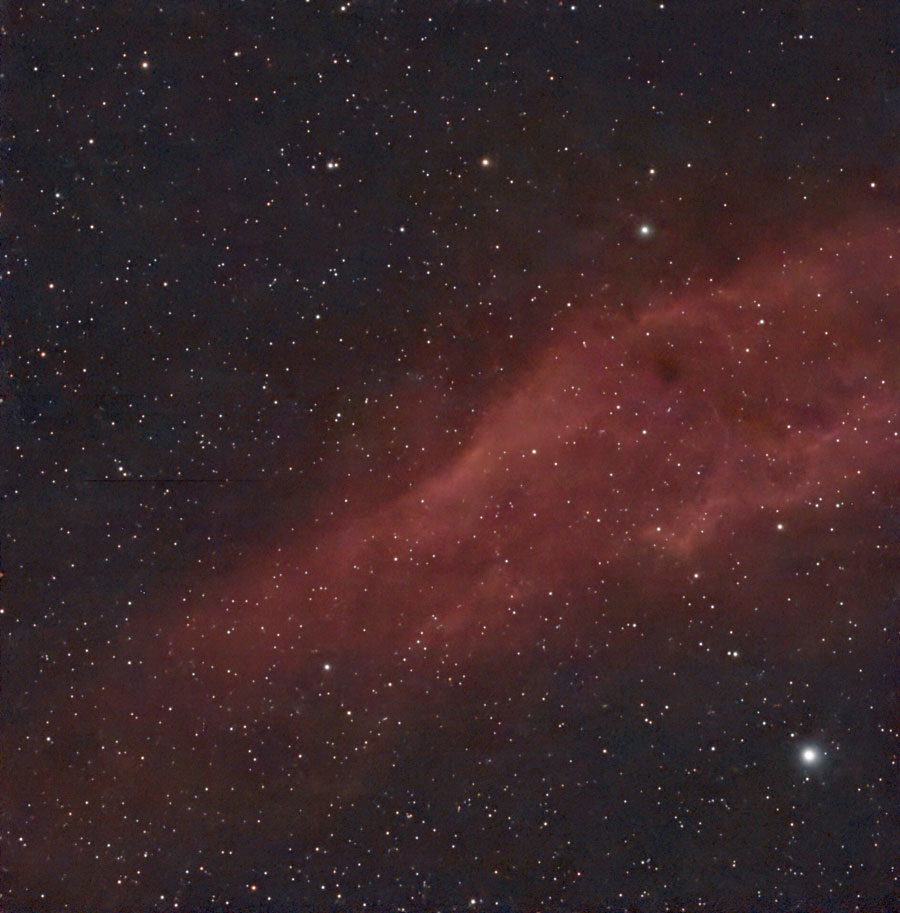 |
Large red nebula, requires a mosaic with the Dwarf mini |
| NGC 1977 | Running Man Nebula | Orion | GN | 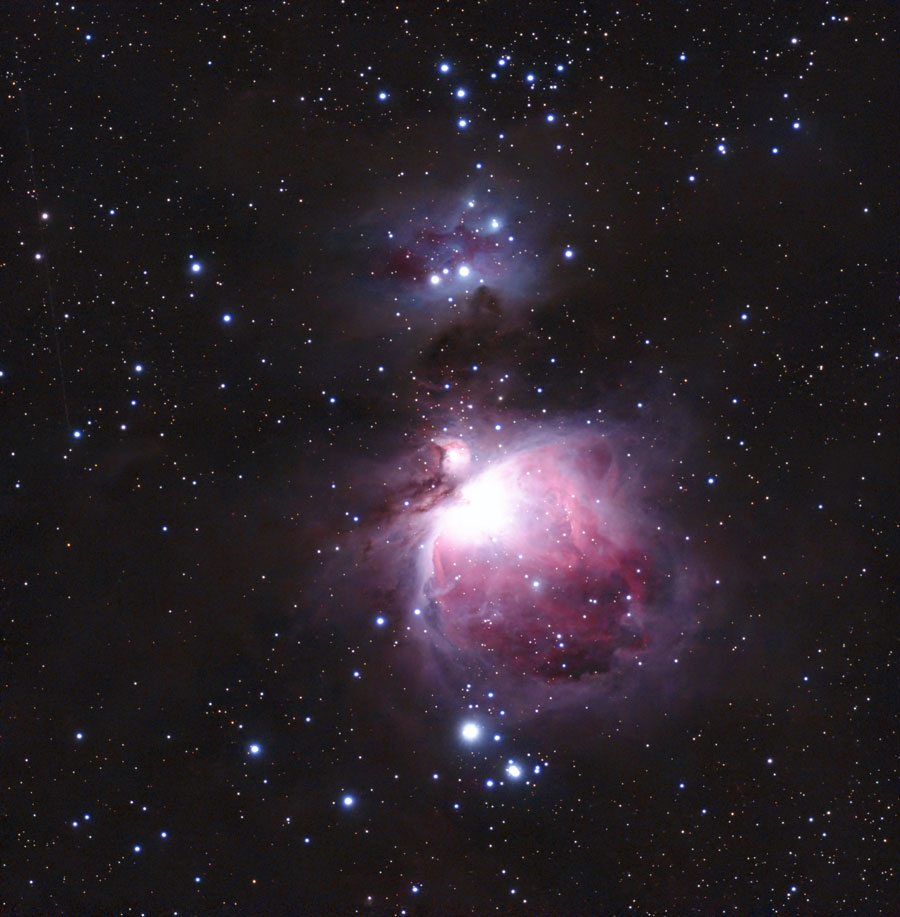 |
Called Running Man Nebula because of the form of a dark nebula inside of it; in a mosaic together with M 42/43, NGC 1981 (top), and NGC 1980 (bottom) |
| NGC 1980 | Lost Jewel of Orion | Orion | OC+GN | Diffuse nebula and open star cluster below the Orion Nebula; together with M 42/43, NGC 1977 (above M 42/43), and NGC 1980 (top) | |
| NGC 1981 | Coal Car Cluster | Orion | OC | Open star cluster above the Running Man Nebula; together with M 42/43, NGC 1977, and NGC 1980 (bottom). | |
| NGC 2023 | Orion | GN | |
Close to the Horsehead Nebula B 33 | |
| NGC 2024 | Flame Nebula | Orion | GN | Together with B 33 in a mosaic; plus NGC 2023 close to B 33 | |
| NGC 2071 | with M 78 | Orion | GR | |
North of M 78 in Orion |
| NGC 2158 | Close to M 35 | Gemini | OC | |
Close to M 35 and can be seen together with it in the Dwarf mini |
| NGC 2169 | Little Pleiades, 37 Cluster | Orion | OS | 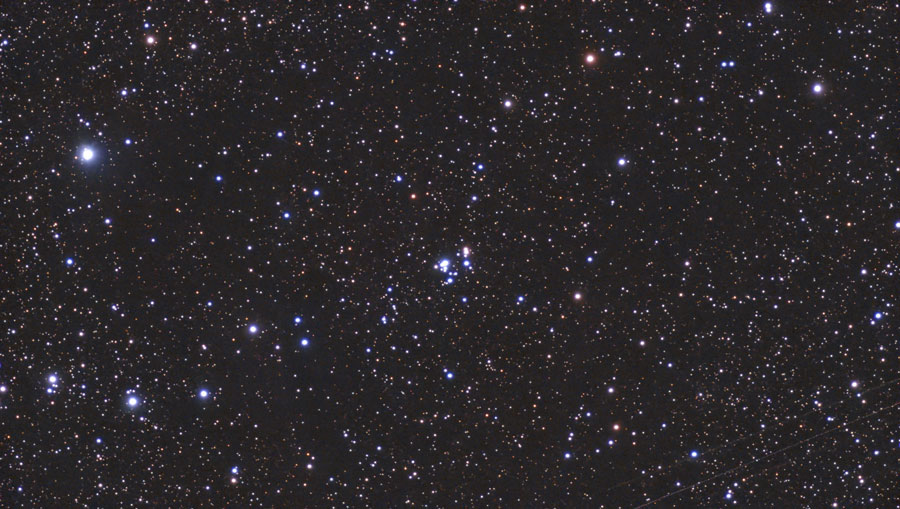 |
Compact cluster that is said to remind of the Pleiades |
| NGC 2237-39/46 | Rosette Nebula | Capricornus | GN | 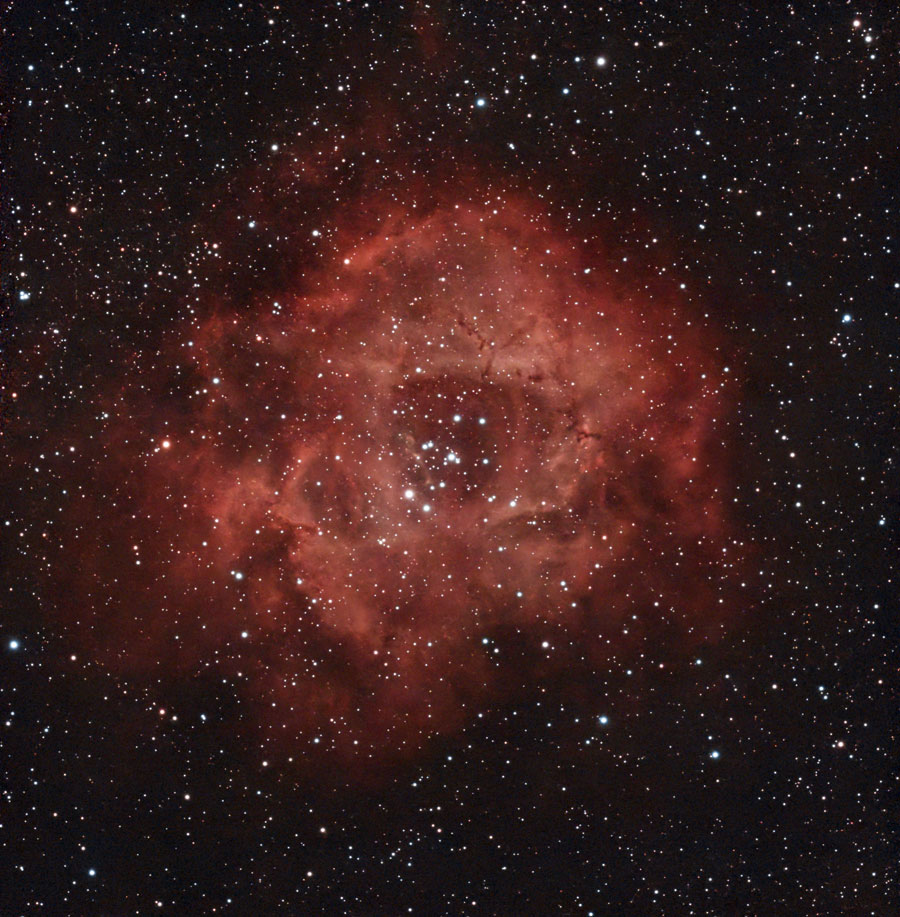 |
Observed as a mosaic with and without DB filter |
| NGC 2244 | Star cluster in Rosette Nebula | Monoceros | OC+GN | Cluster at the center of the Rosette Nebula; observed as a mosaic with and without DB filter | |
| NGC 2261 | Hubble's Variable Nebula; together with NGC 2264 | Monoceros | GN | 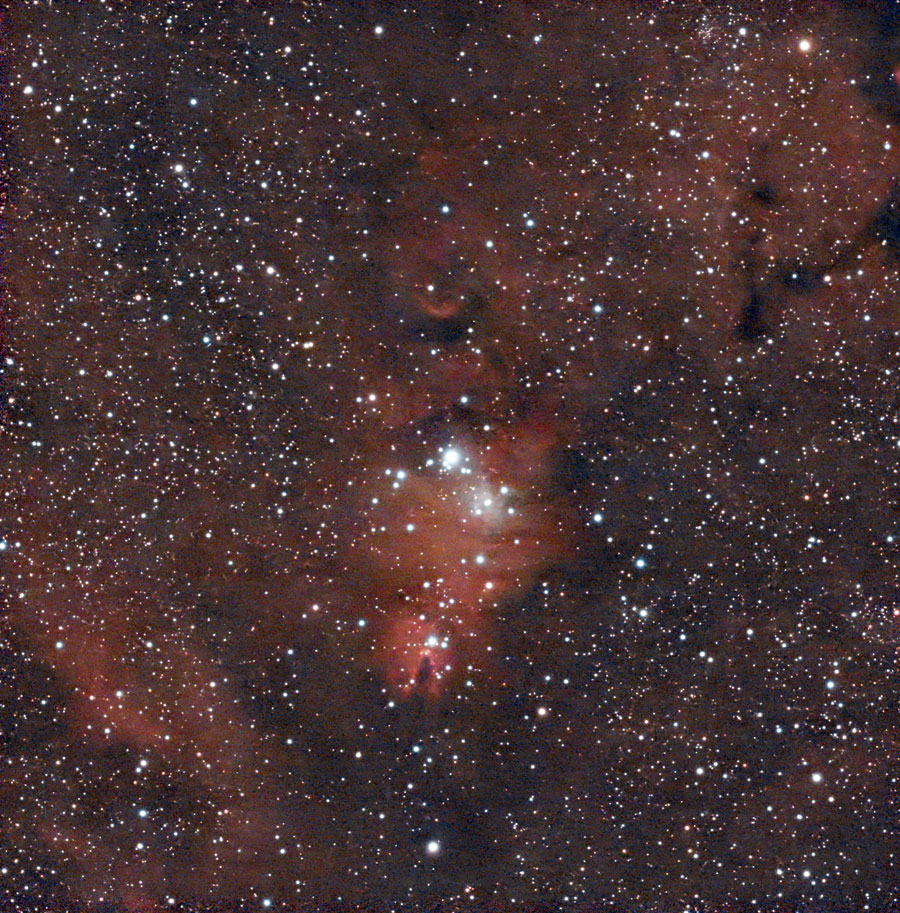 |
Looks like a comet; partly together with NGC 2264 in the FOV |
| NGC 2264 | Christmas Tree Cluster and Cone Nebula; together with NGC 2261 | Monoceros | OC+DN | Partly together with NGC 2261; observed as a mosaic with and without DB filter | |
| NGC 2423 | Puppis | OC | |
Small star cluster between M 46 and M 47 | |
| NGC 2425 | Puppis | OC | Star cluster north of M 47, smaller than M 47 | ||
| NGC 2438 | within M 46 | Puppis | PN | Planetary nebula inside of M 46 (very small) | |
| NGC 3077 | close to M 81 (and with M 82) | Ursa Major | G | |
Small companion of M 81 |
| NGC 3628 | Hamburger Galaxy, with M 65 and M 66 | Leo | G | |
Spiral galaxy seen edge-on; it forms a conspicuous group with M 65 and M 66, the Leo Triplet (Arp 317, Holm 246). |
| NGC 4387 | Great Galactic Face; see also M 84/86 | Virgo | G | |
Three small galaxies close to M 84 and M 86. NGC 4387 is a small elliptical galaxy and the nose of the "Great Galactic Face"; NGC 4388 is a spiral galaxy, and forms the mouth; NGC 4402 is a spiral galaxy on top of the GGF. |
| NGC 4388 | G | ||||
| NGC 4402 | G | ||||
| NGC 4435 | The Eyes | Virgo | G | |
The lenticular galaxies NGC 4435 and NGC 4438 are also called "The Eyes" or "Markarian's Eyes". They can be taken as the starting point for a mosaic of Markarian's chain (from NGC 4477 to M 84) (more precisely: NGC 4435). |
| NGC 4438 | G | ||||
| NGC 4564 | with NGC 4567/68 and M 58 | Virgo | G | 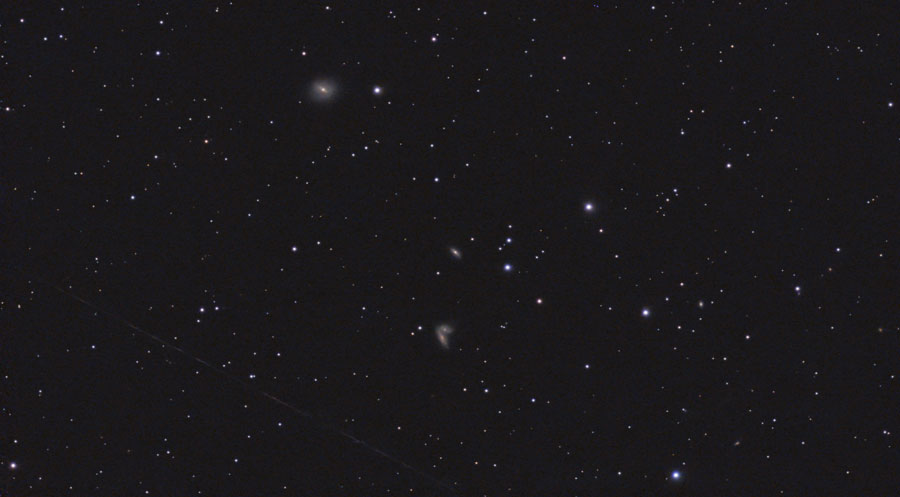 |
Elliptical galaxy; center for photographing NGC 4567/68 and M 58 |
| NGC 4565 | Needle Galaxy | Coma Berenices | G |  |
One of the most prominent and famous edge-on spiral galaxies in the sky; together with NGC 4562 and NGC 4494, NGC 4565 forms the small galaxy group LGG 294. |
| NGC 4567 | Siamese Twins//Butterfly Galaxies | Virgo | G | |
Strongly interacting spiral galaxies NGC 4567/68, together with NGC 4564 and the barred spiral galaxy M 58 |
| NGC 4568 | G | ||||
| NGC 6888 | Crescent Nebula; with NGC 6874 | Cygnus | GN | 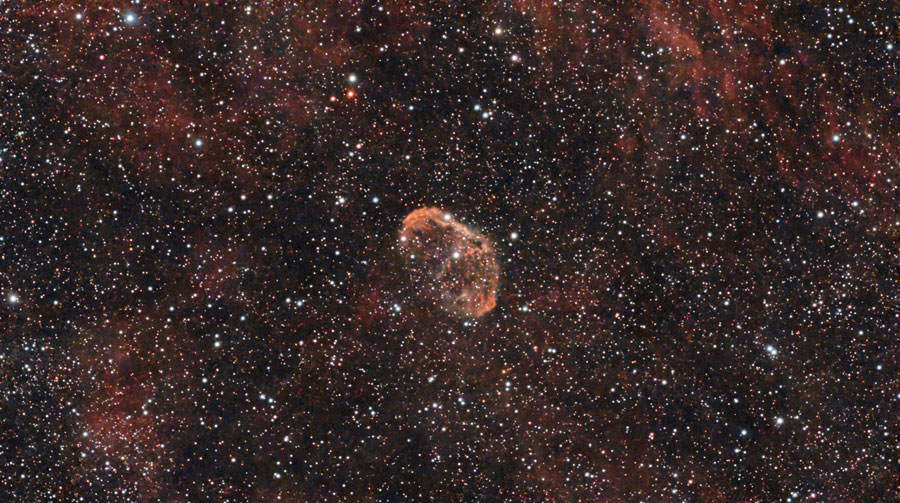 |
Nice, but faint; responds well to the DuoBand Filter; includes OC (or asterism) NGC 6874 |
| NGC 6960 | Western Veil Nebula | Cygnus | GN/SR | 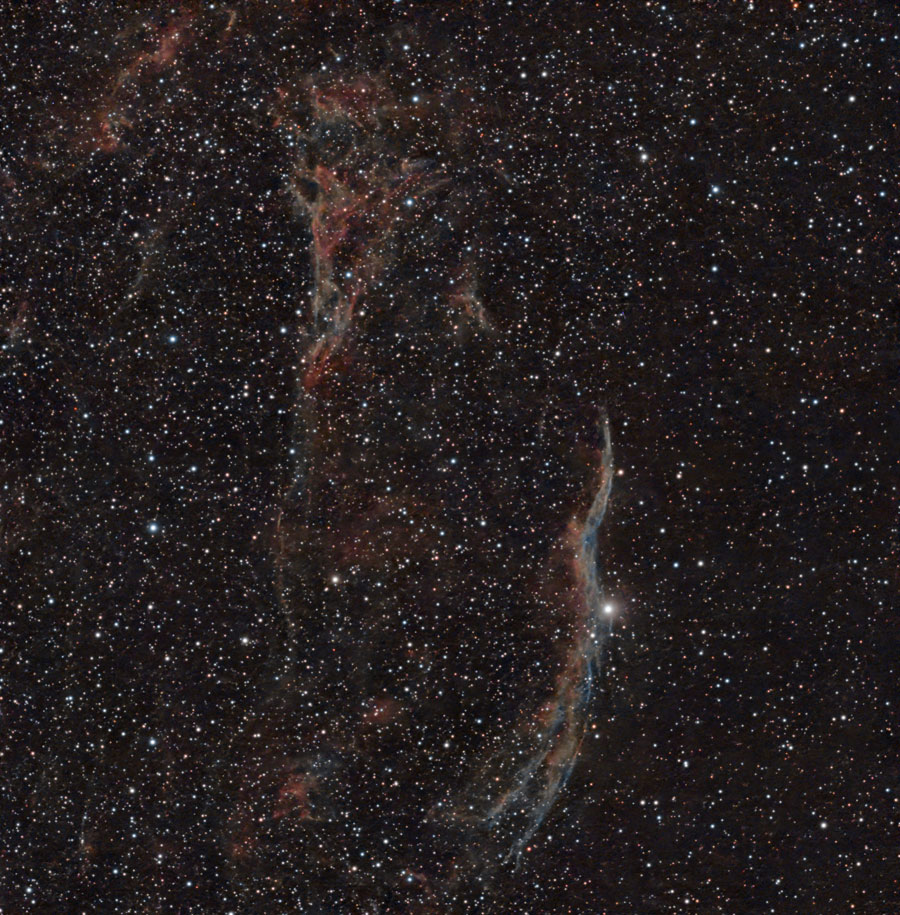 |
Faint; requires longer integration times and the Duo Band Filter; required also a mosaic this time; together with NGC 6992/5 a supernova remnant |
| NGC 6992/5 | Eastern Veil Nebula | Cygnus | GN/SR | 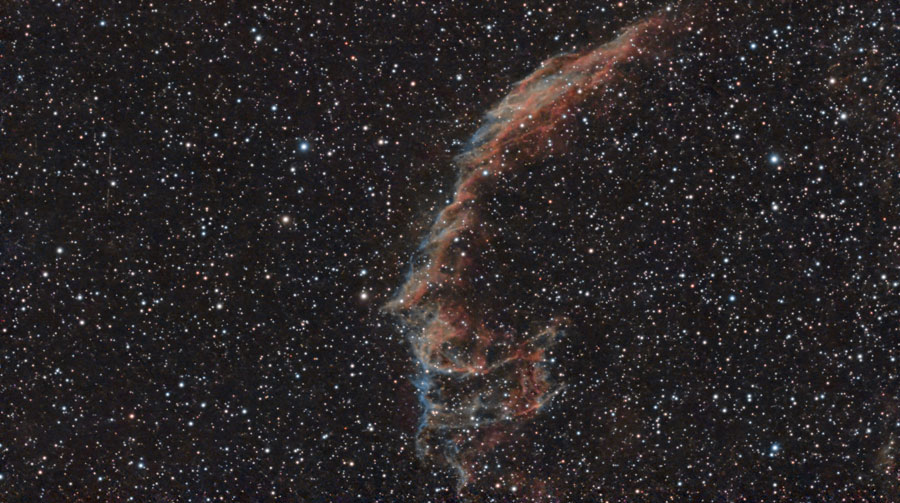 |
Faint; requires longer integration times and the DuoBand Filter; together with NGC 6960 a supernova remnant |
| NGC 7000 | North America Nebula, together with IC 5070 | Cygnus | GN | |
Normally only partly visible (together with part of IC 5070); better visible as a mosaic (Duo Band Filter) |
| Sh2-261 | Lower's Nebula | Orion | GNE | 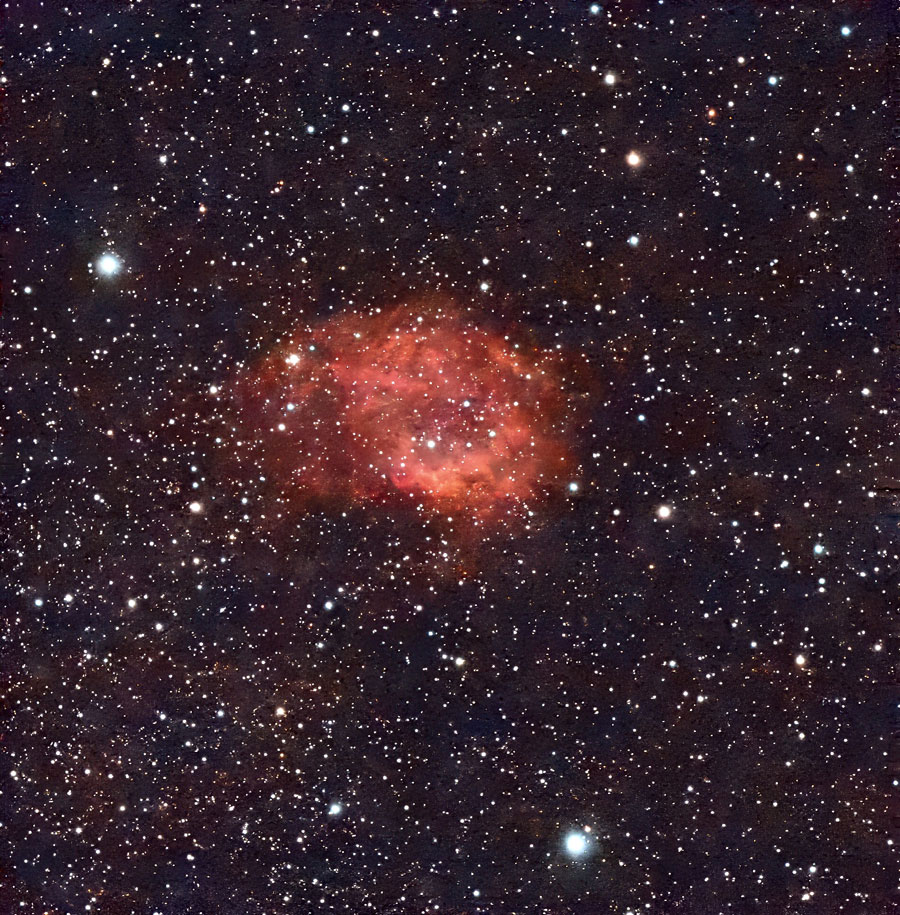 |
Faint galactic emission nebula |
| Sh2-276 | Barnard's Loop | Orion | GNE | 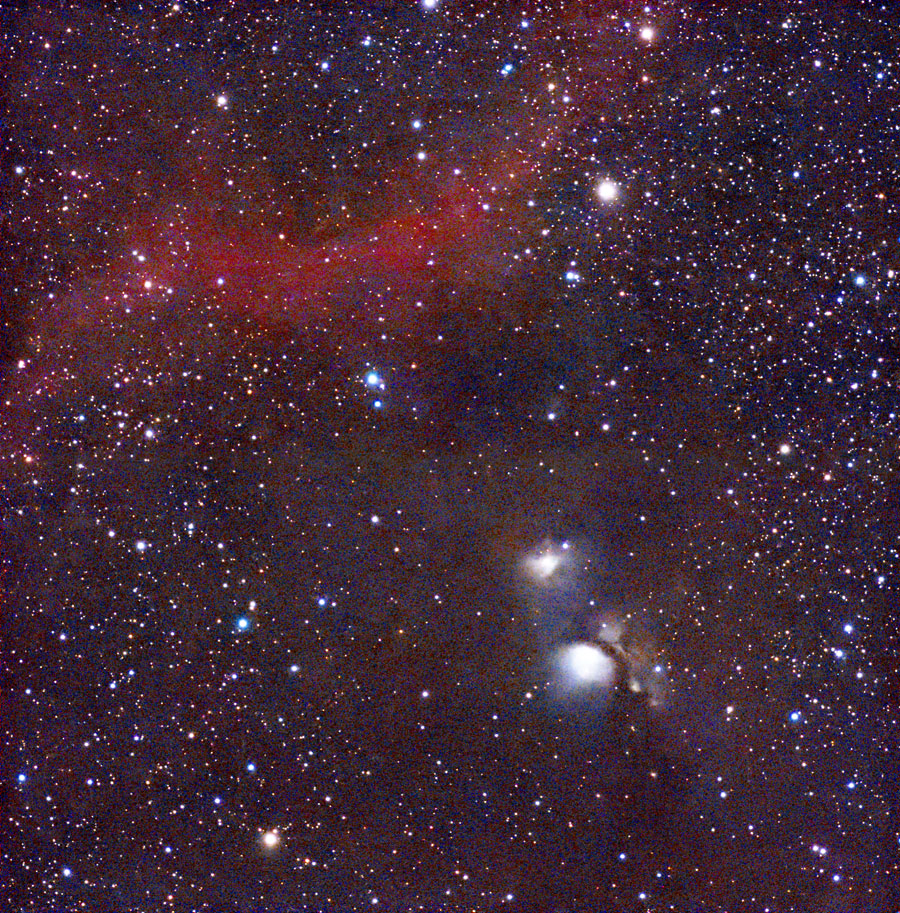 |
Faint, very extended galactic emission nebula; partly visible in an mosaic with M 78 |
| Moon | M | 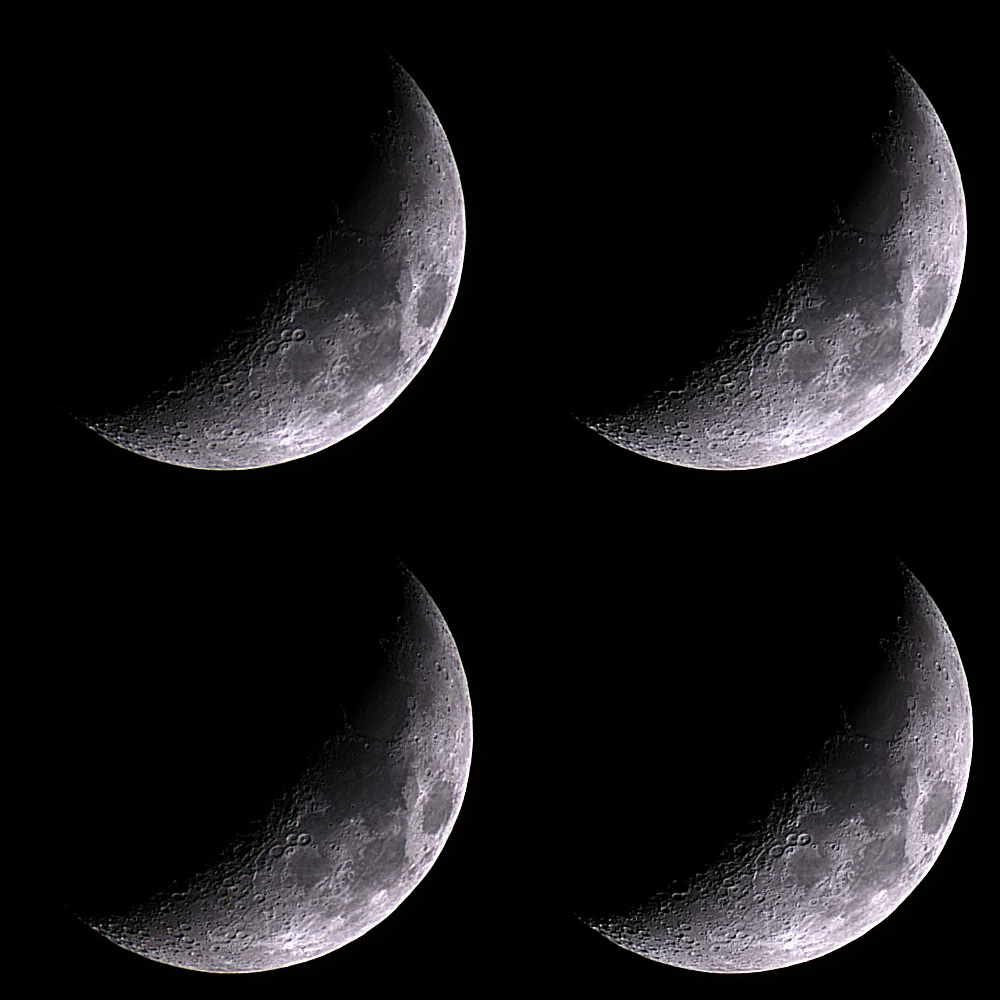 |
Observed during different phases | ||
| Sun | S | 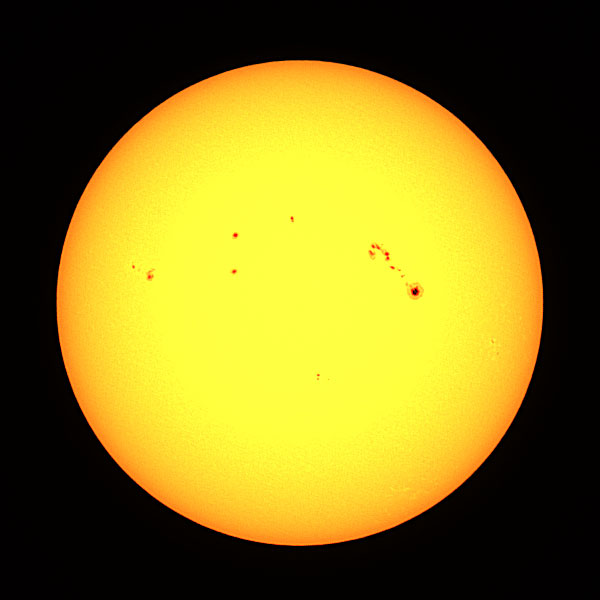 |
Observed with one large sun spot and a lot of smaller ones; also observed during a partial eclipse | ||
| V488 Sge | Nova Sagittae 2026 | Sagitta | N | 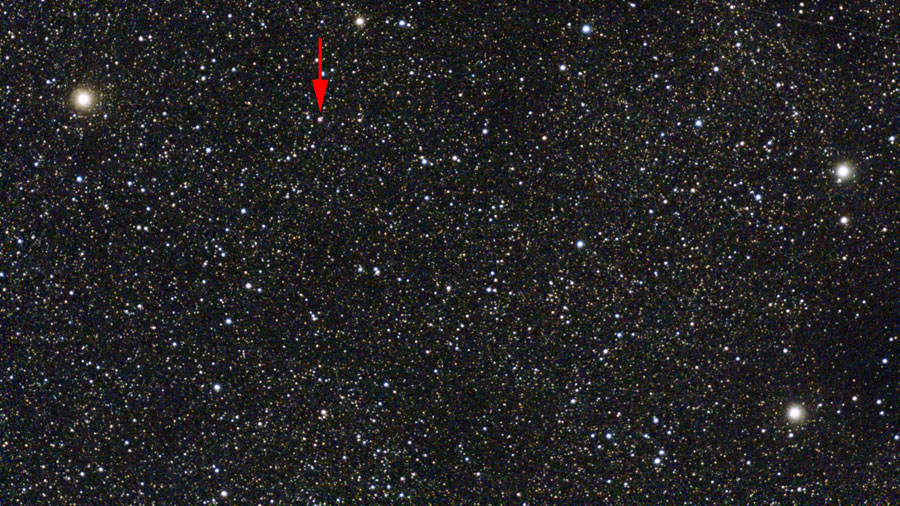 |
Nova in Sagitta, discovered in August 2026 |
G = galaxy, GaC = galaxy cluster, OC = open star cluster, GC = globular star cluster, GN = galactic nebula, GE = galactic emission nebula, GR = galactic reflection nebula, DN = dark nebula, C = comet, PN = planetary nebula, SP = star pattern, SC = star cloud, SR = supernova remnant, HII = HII region (emission nebula in other galaxies), P = planet, M = moon, N = nova
References
Books
- Michael Feiler & Philip Novak (2023). Deep Sky Reiseatlas (5th edition), Oculum Verlag (ISBN 978-3-949370-04-5)
www.oculum-verlag.de/detailview?no=608 - Ronald Stoyan (2021). Deep Sky Reiseführer (6th edition), Oculum Verlag (ISBN 978-3-938469-72-9)
www.oculum-verlag.de/detailview?no=603 - Erich Karkoschka (2022). Atlas für Himmelsbeobachter, Kosmos Verlag (EAN: 9783440173602)
www.kosmos.de/de/atlas-fur-himmelsbeobachter_1074889_9783440173602
On this Website
|
made by  on a mac! on a mac! |


| 22.09.2026 |  |