

Astronomy | GXR · GR · RX100 M1 · RX100 M4 · RX10 M3/4 · TZ202 · X Vario · M240 · General | Photos | Conf. Places | Calendars | Art
Ricoh GXR: M-Mount Unit with Zeiss 21 mm
Expanding the Equipment | Body with Lens Attached | Some Technical Data | Sample Images | Conclusions | Links
Archive
| Note: At the end of 2016, I sold my Zeiss Biogon 21mm f/4.5 lens in favor of the Leica Elmarit-M 21mm f/2.8 ASPH. lens in order to have less trouble and work with color shading when the lens is used at the Leica M (Typ 240). I am therefore no longer able to update this page or to answer questions about this lens. |
After Ricoh's official announcement of the M-mount expansion unit, I decided to buy one, although I had not intended to do so originally. Here are my first personal experiences with the lenses that I bought (or tried to buy). This page is devoted to the Zeiss Biogon 21mm f/4.5 lens.
All lens pages: Voigtländer 15mm f/4.5 | Zeiss Biogon 21mm f/4.5 | Voigtländer 25mm f/4 (M39) | Minolta M-Rokkor 28mm f/2.8 | Zeiss Biogon 35mm f/2.8 | Zeiss Sonnar 50mm f/1.5 | Voigtländer 75mm f/2.5 (M39) | Leitz Elmar-C 90mm f/4 | Leitz Tele-Elmar 135mm f/4
Expanding the Equipment
After I had acquired the M-mount expansion unit in mid-October 2011, I decided to also expand my range of lenses into focal lengths that I already own in the form of A12 camera units. This was caused by the observation that I was too lazy to exchange units. Exchanging lenses only seemed much simpler and also simplifies the equipment that I carry around with me.
This decision turned out to become a very expensive one, because both of the Voigtländer lenses that I bought, a Voigtländer Color Skopar Pancake II 1:2.5/35 mm and a Voigtländer Color Skopar Pancake II 1:4/21 mm, were decentered. So I sent them back (the 35 mm lens even twice) and eventually bought the equivalent Zeiss Biogon lenses, a Zeiss Biogon T* C 21mm f/4.5 and a Zeiss Biogon T* C 1:2.8/35 mm, at a much higher cost.
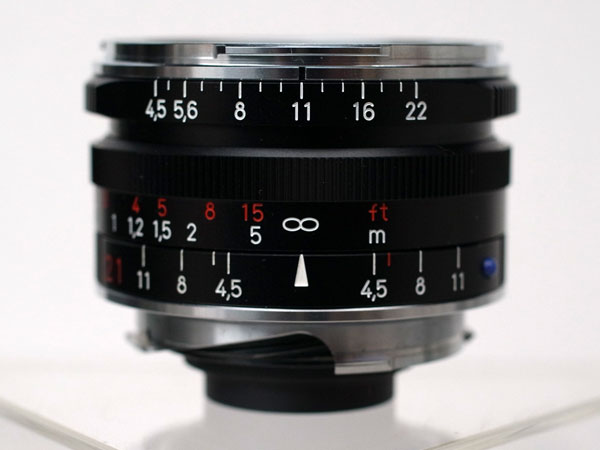
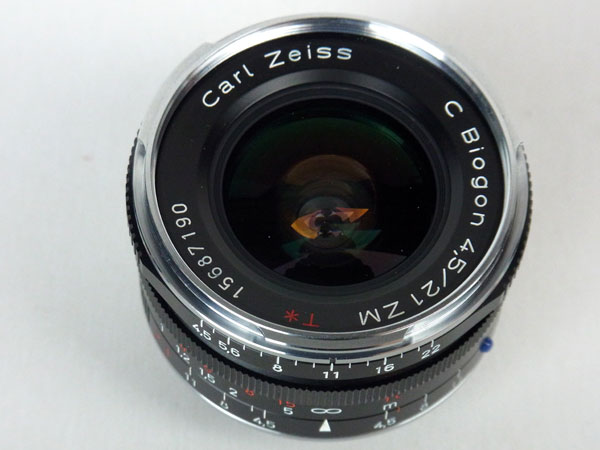
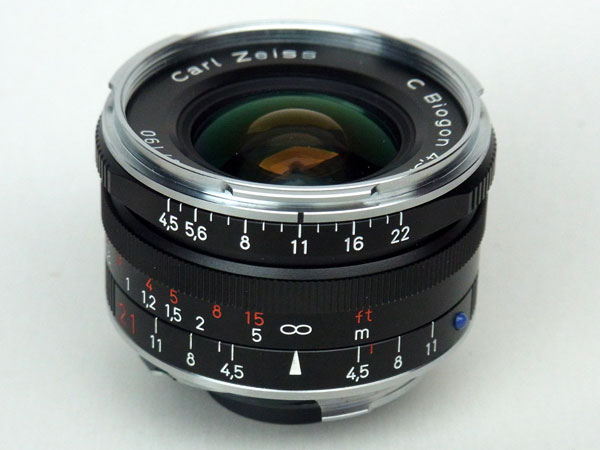
Here is the story of the two Voigtländer lenses that I bought initially. And here is my Zeiss Biogon T* C 21mm f/4.5 that replaced the Voigtländer 21 mm pancake lens:
 |
 |
|
 |
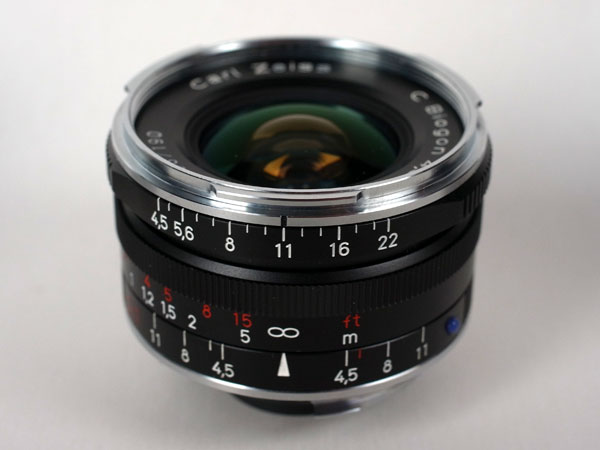 |
Photos: Arrived on November 32, 2011 as a replacement: Zeiss Biogon T* C 21mm f/4.5 ZM (black) (31.5 mm equiv.)
The Zeiss 21 mm lens is a little bit slower (f/4.5 versus f/4), heavier, and much more expensive than the respective Voigtländer pancake lens.
On the M-mount expansion unit, this lens has an equivalent focal length of 31.5 mm and thus, is a bit less wider than a 28 mm lens - this may or may not be a problem for you.
Body with Lens Attached
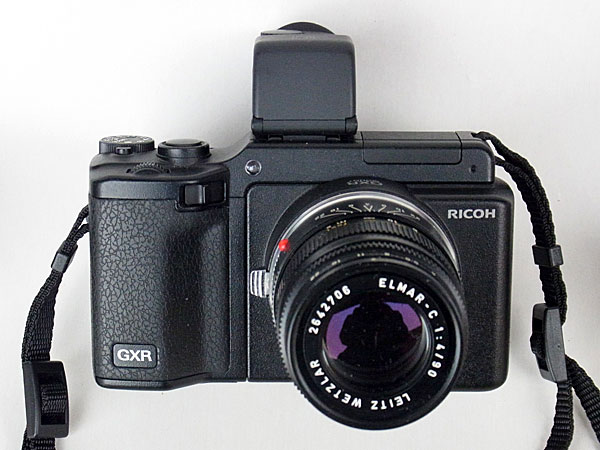
Photo: Body with A12 M-mount expansion unit attached and Zeiss Biogon 21mm f/4.5 lens
Some Technical Data
| Focal length | 21 mm (31.5 mm equiv.) |
| Angle of view (35mm film) | 90° diagonal |
| Maximum aperture | 4.5 |
| f-stop range | 4.5-22 |
| Number of iris blades | 10 |
| Number of lenses/groups | 8/6 |
| Shortest distance | 0.5 m |
| Weight | 210 g (190 g) |
| Length (w/wo cap) | 56 mm (31 mm) |
| Maximum diameter | 53 mm |
| Filter thread | 46 mm |
| Lens hood | does not have one |
Sample Images
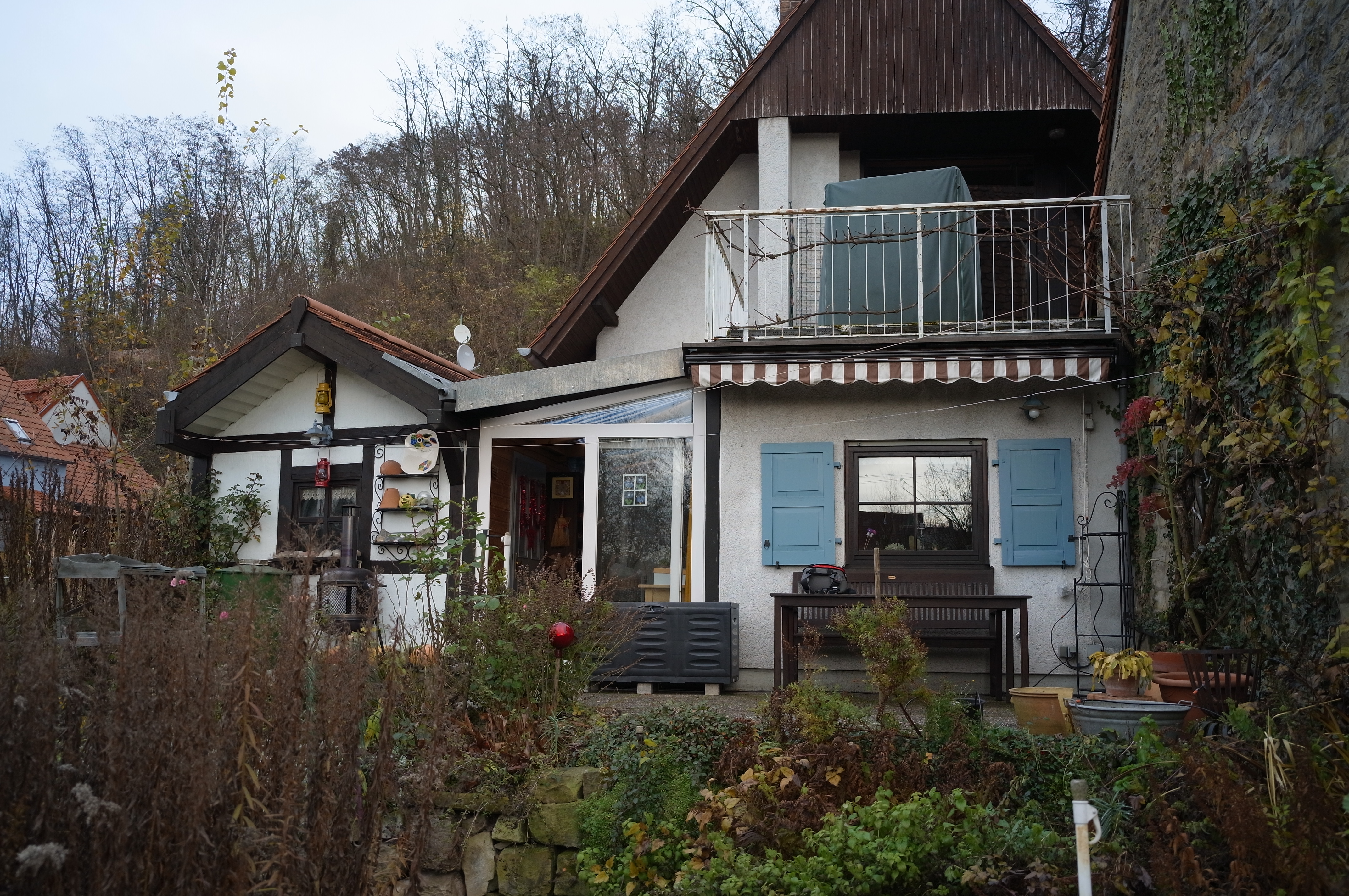
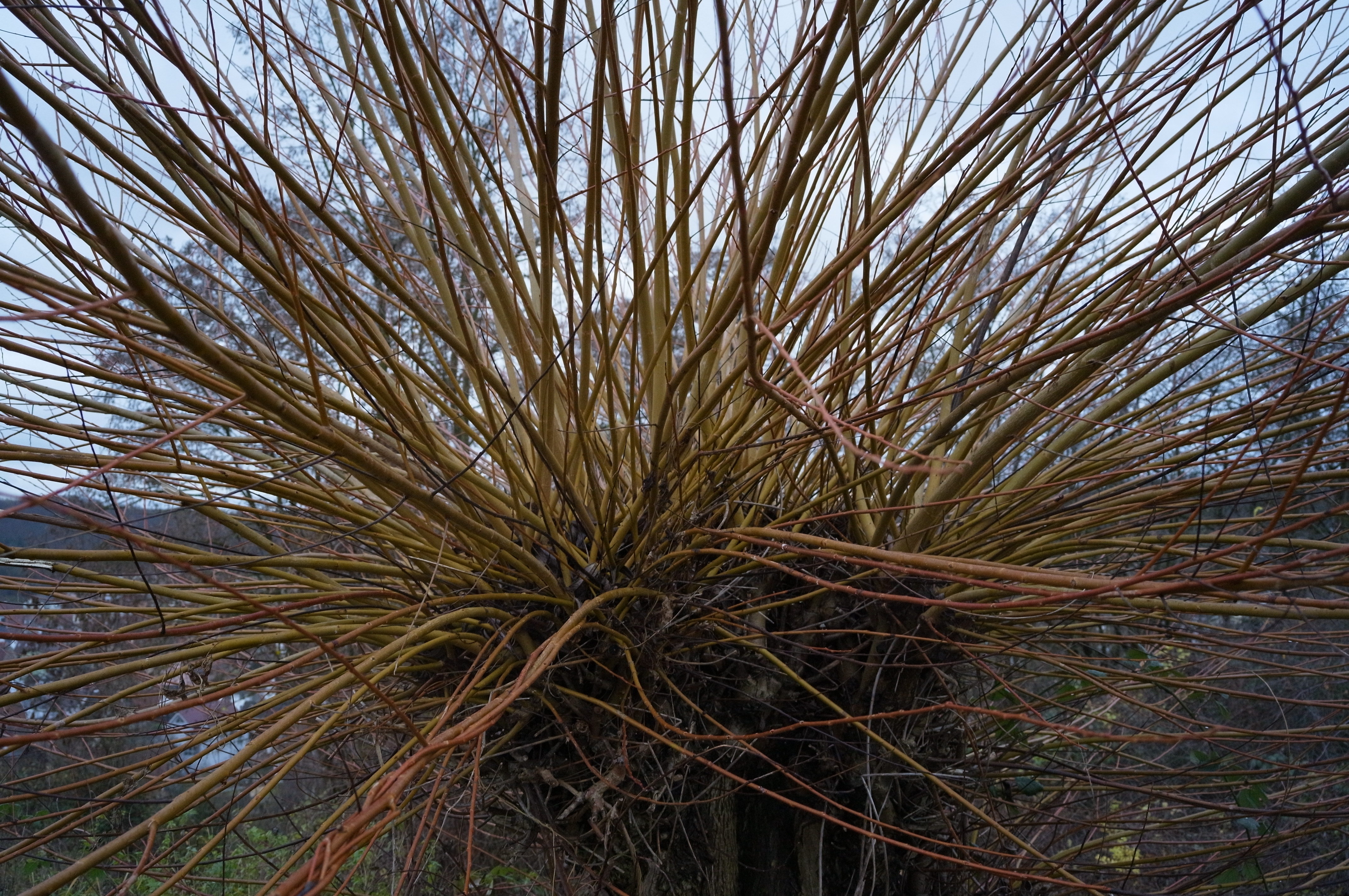
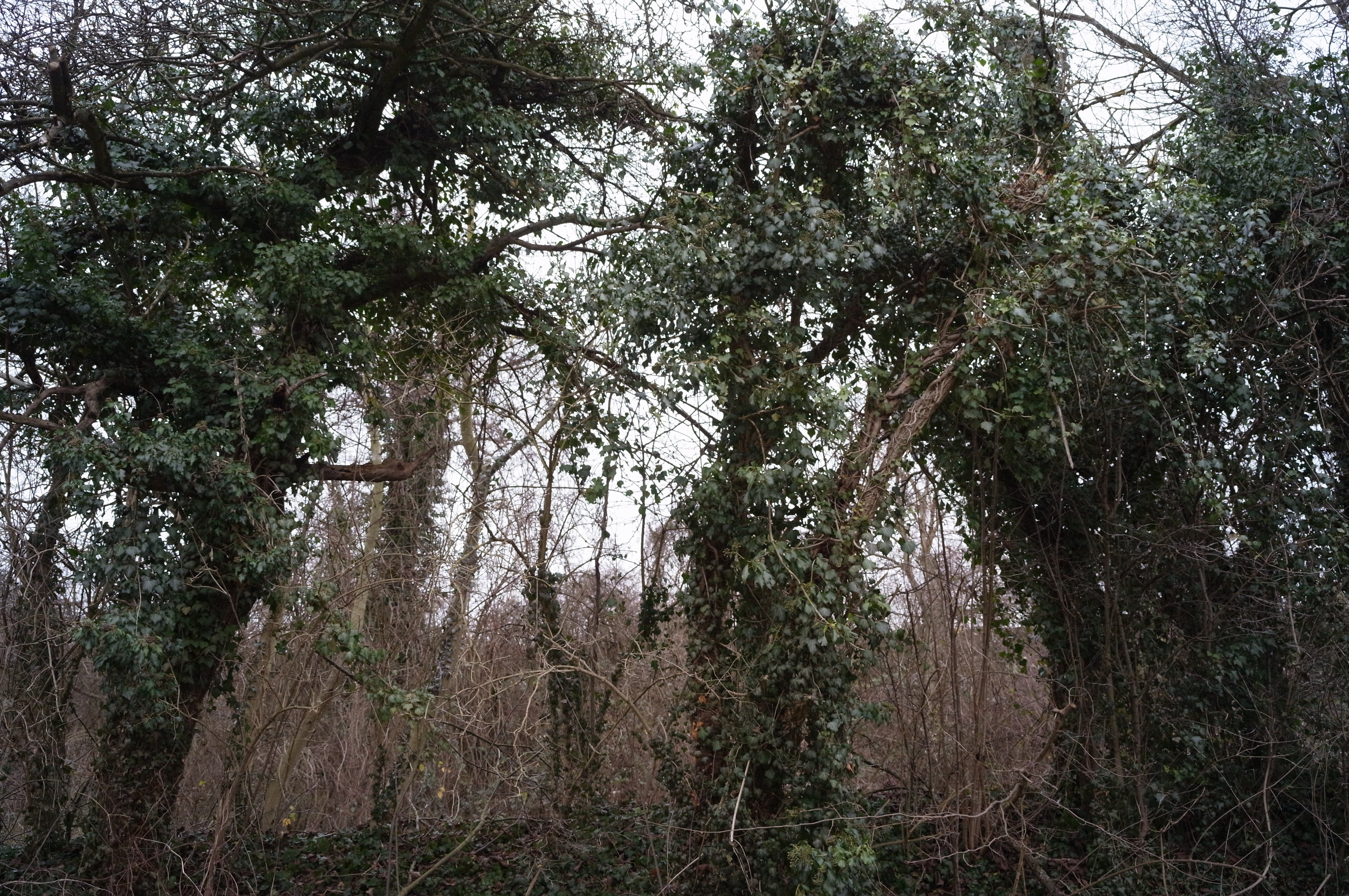
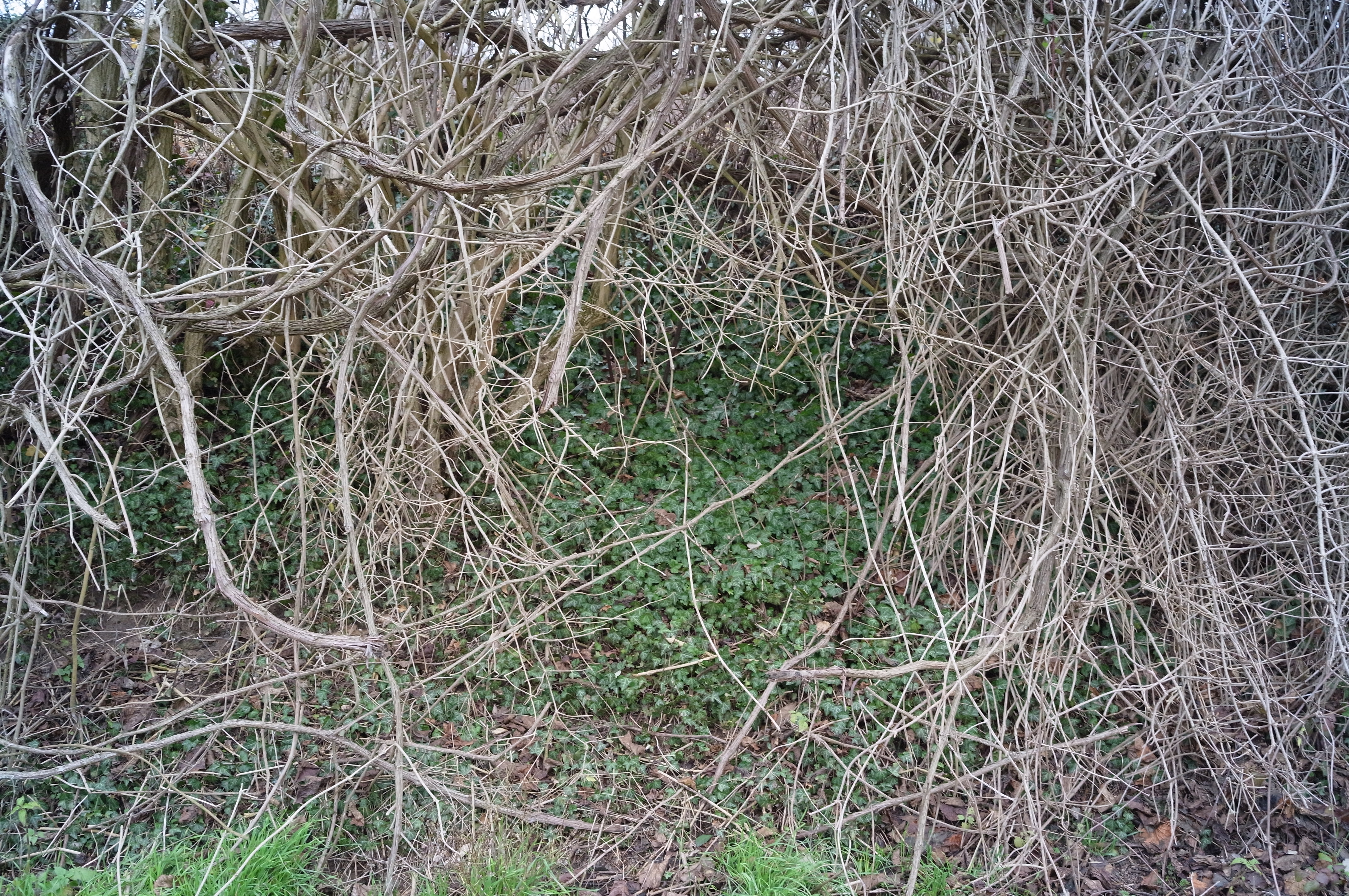
Here are a few samples taken with the Zeiss Biogon 21mm f/4.5 lens (click the images to view the unprocessed original files in a new window):
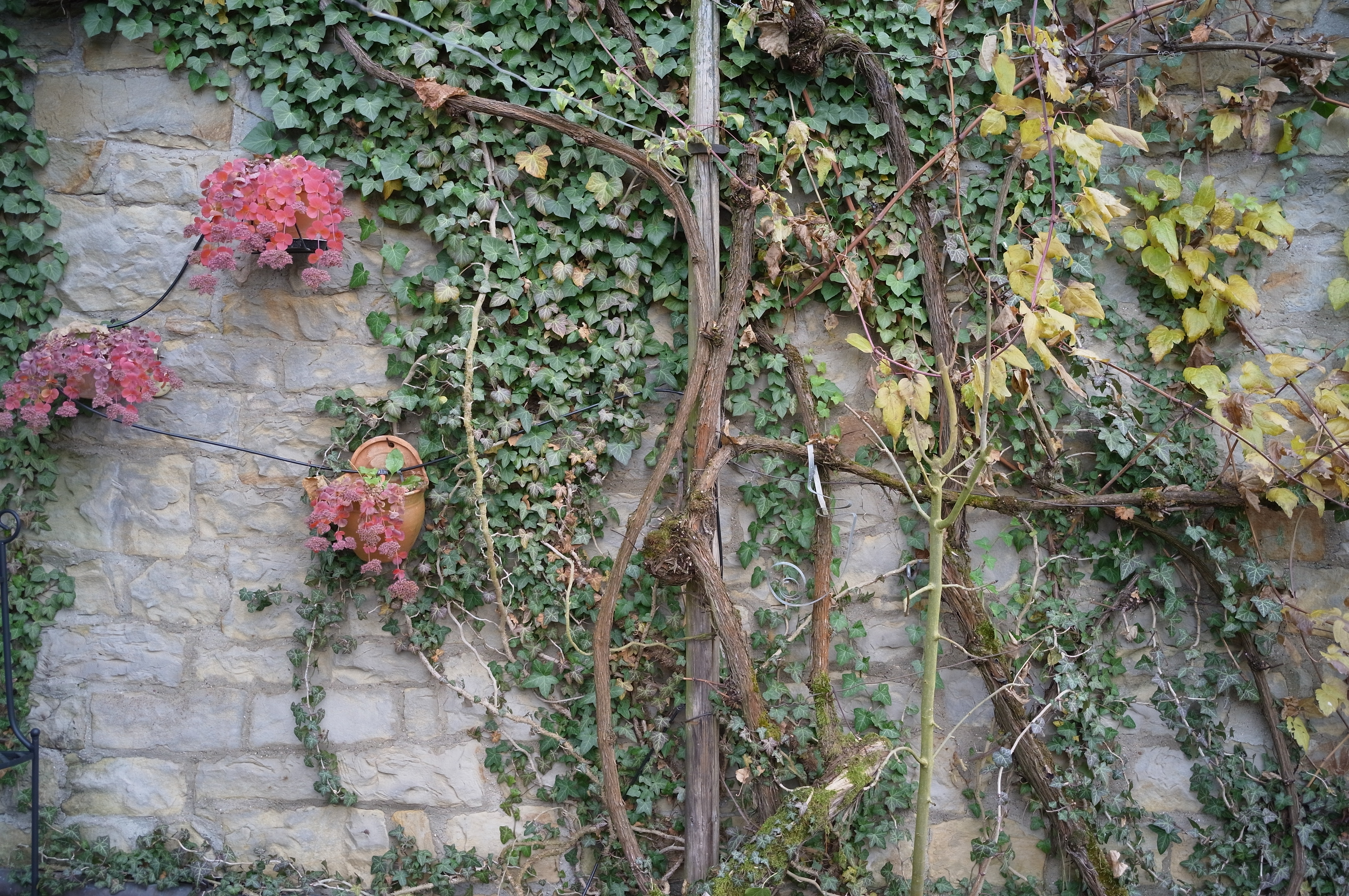 |
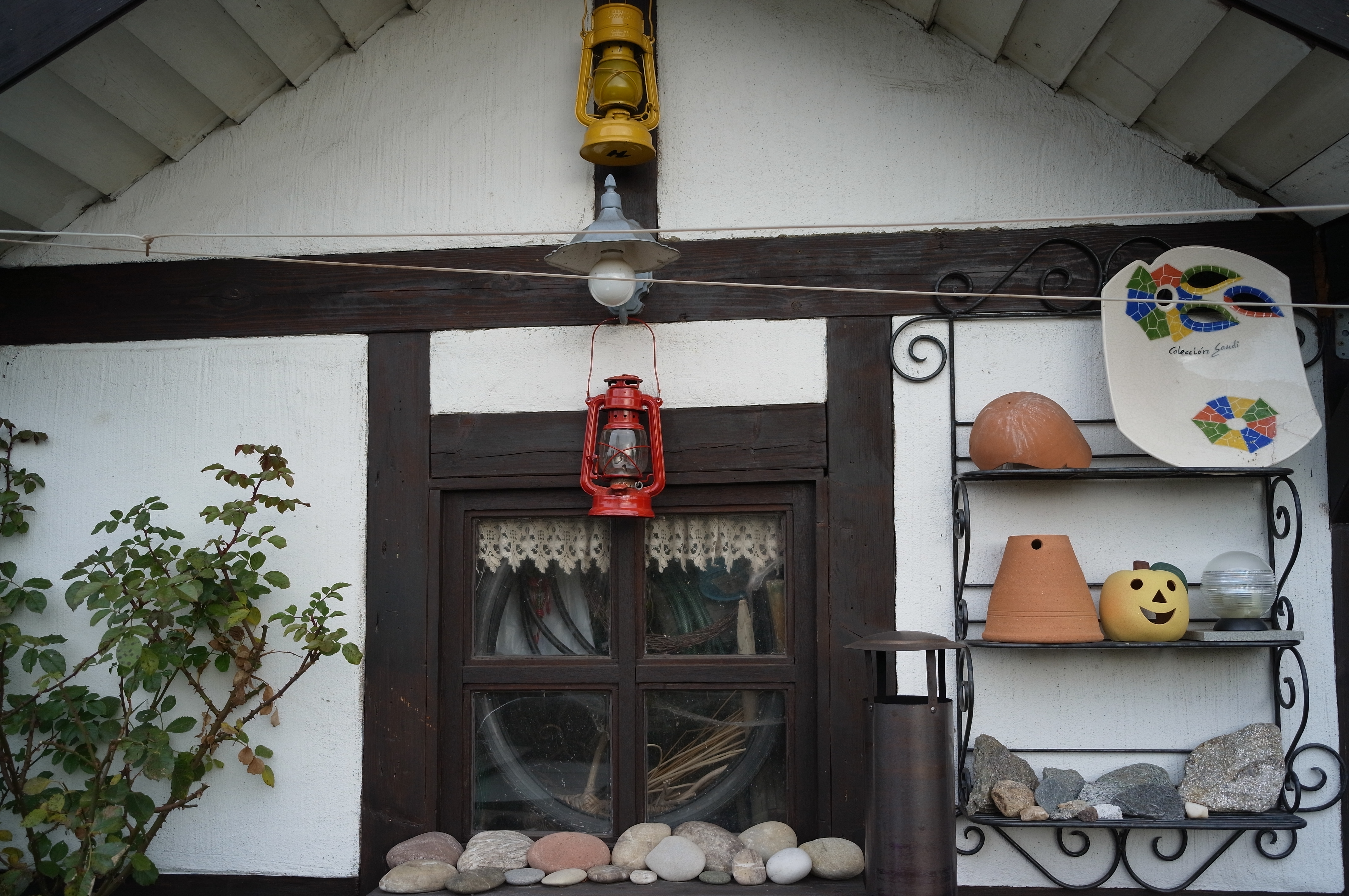 |
|
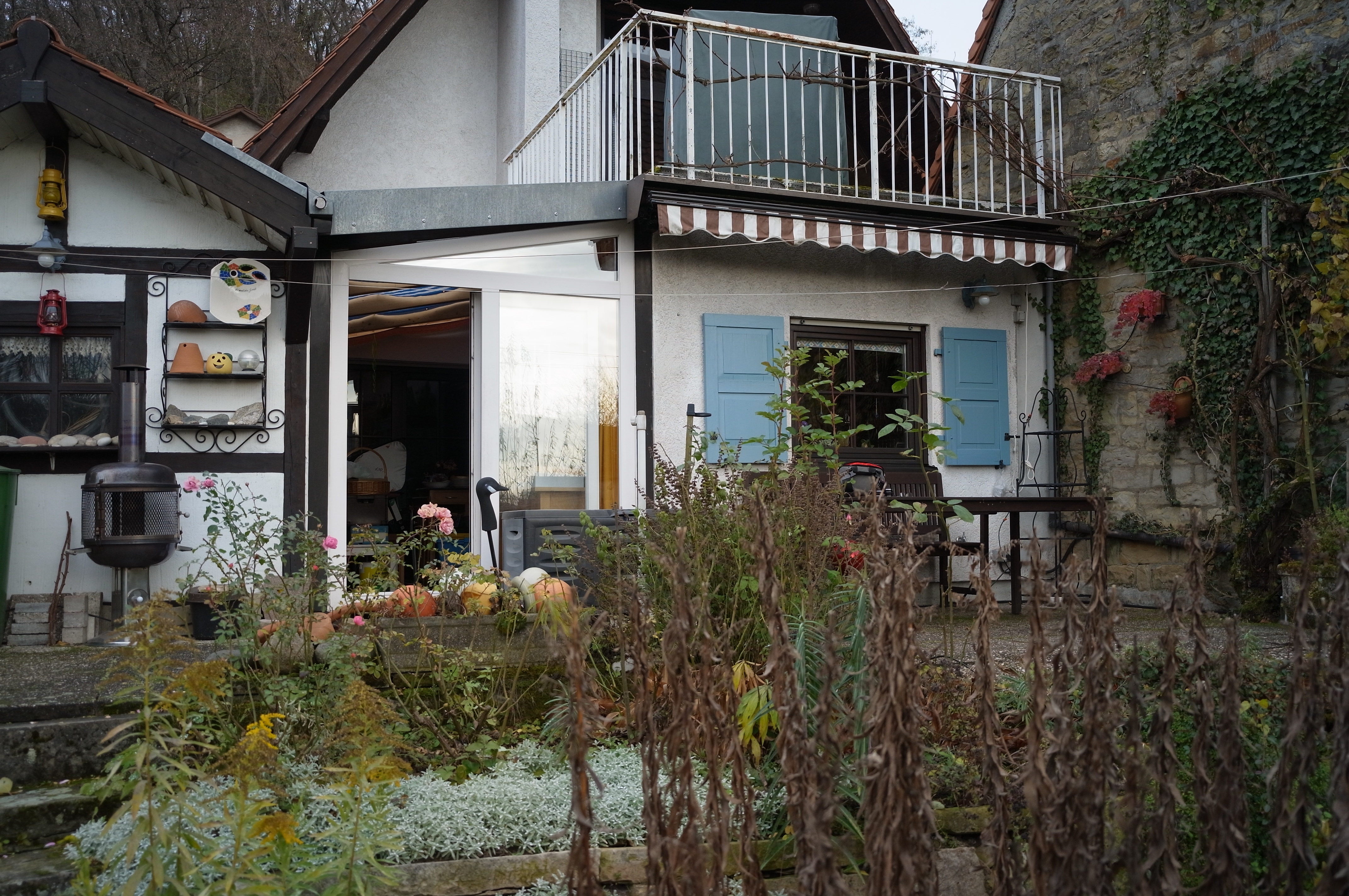 |
 |
|
 |
 |
|
 |
 |
Conclusions
Disclaimer: I am not a lens expert who sees marked differences between various Leica and/or other lenses. I can check for soft corners, find differences in color rendition, and, in rare cases, may discover a "3D look", but that's all. Please regard therefore my conclusions as the verdict of a "layman".
As far as I can see, the results that my Zeiss Biogon T* C 21mm f/4.5 lens produces with the M-mount expansion unit are very pleasing.
Note: At the end of 2016, I sold my Zeiss Biogon 21mm f/4.5 lens in favor of the Leica Elmarit-M 21mm f/2.8 ASPH. lens in order to have less trouble and work with color shading when the lens is used at the Leica M (Typ 240). I am therefore no longer able to update this page or to answer questions about this lens.
Links
- Zeiss Biogon 21mm f/4.5 (Zeiss, English): lenses.zeiss.com/photo/en_DE/products/ikon/cbiogont4521zm.usage.html
- Zeiss Biogon 1:4,5/21 mm (Zeiss, German): lenses.zeiss.com/photo/de_DE/products/ikon/cbiogont4521zm.usage.html
- Zeiss Biogon 21mm f/4.5 at Ken Rockwell "Leica Lens Reviews" (scroll the list): www.kenrockwell.com/leica/lens-reviews.htm#21 • full review: www.kenrockwell.com/zeiss/zm/21mm-f45.htm
For more links related to the Ricoh GXR M-mount expansion unit, see page M-Mount Links.
|
made by  on a mac! on a mac! |


| 19.11.2020 |